Through the Queensland Government’s $117.84 million Natural Resource Management Expansion Program, more than $20 million is being invested directly in on-ground projects delivering outcomes for threatened species, habitats and ecosystems.
But that dollar figure only tells part of the story.
Biodiversity doesn’t fit neatly into one funding box. Healthy native vegetation supports wildlife. Better grazing management protects grasslands and wetlands. Weed and feral animal control reduces pressure on threatened species. Restoring waterways and coastal vegetation improves habitat while also building resilience to floods, fire and a changing climate.
That means biodiversity benefits are being delivered across nearly every part of the NRM Expansion Program, including projects primarily focused on land, water, agriculture, biosecurity and disaster resilience.
Across Queensland, regional NRM organisations are working with landholders, Traditional Owners, Indigenous rangers, Landcare groups, scientists and local communities to turn that investment into practical action.
Here are just some of the species and ecological communities benefiting.
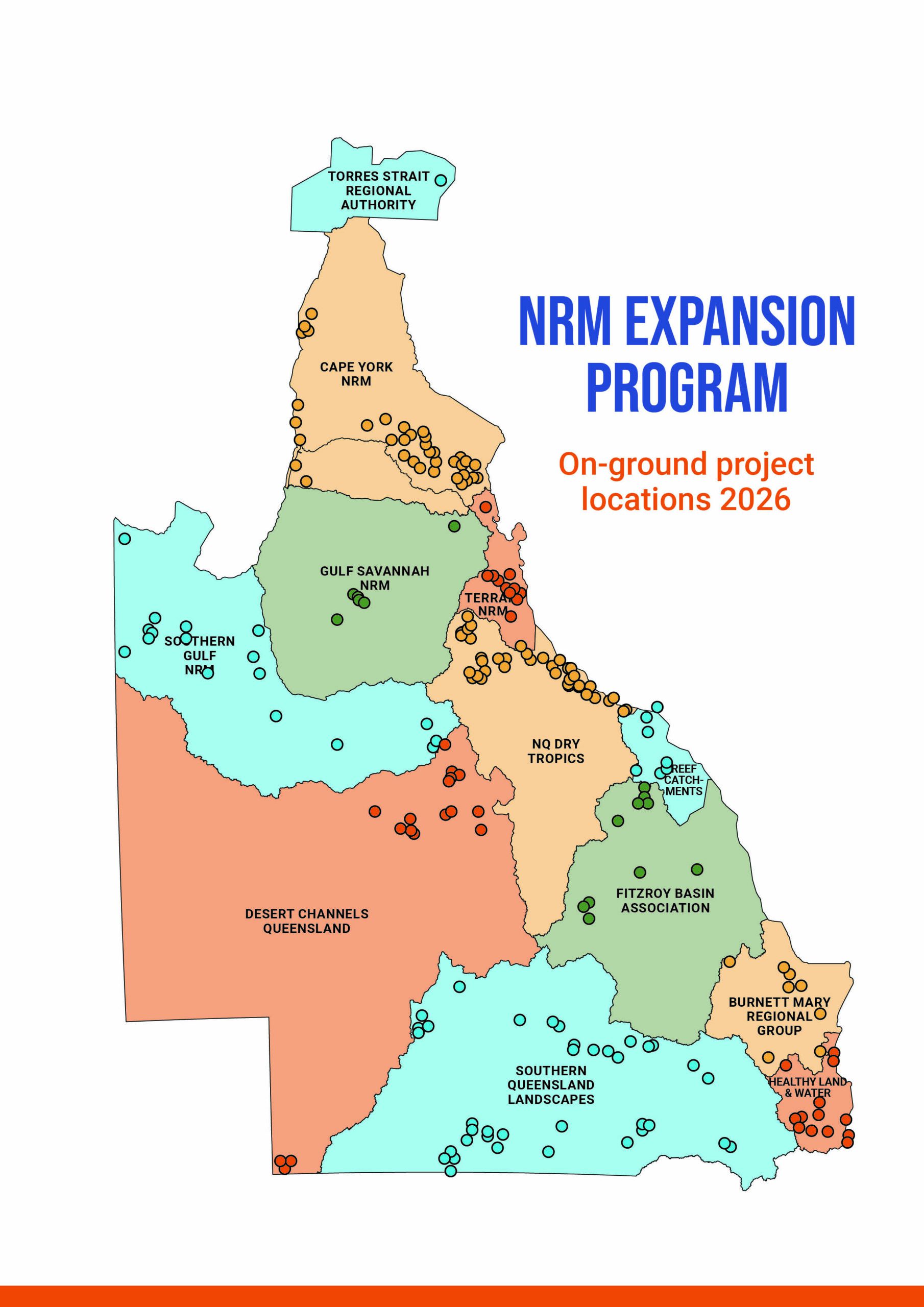
NRM Expansion Program projects are delivering on-ground outcomes across some of Queensland’s most diverse and challenging landscapes with 468 project sites now underway.
Protecting an ancient freshwater turtle
Australia’s largest freshwater turtle, the Gulf Snapping Turtle, was once thought extinct. Now critically endangered, it survives only in a handful of rivers flowing into the Gulf of Carpentaria.
Feral pigs eat its eggs and hatchlings and damage nesting habitat. Southern Gulf NRM is working with Waanyi Traditional Owners and landholders to reduce pig numbers, protect nests and monitor the species.
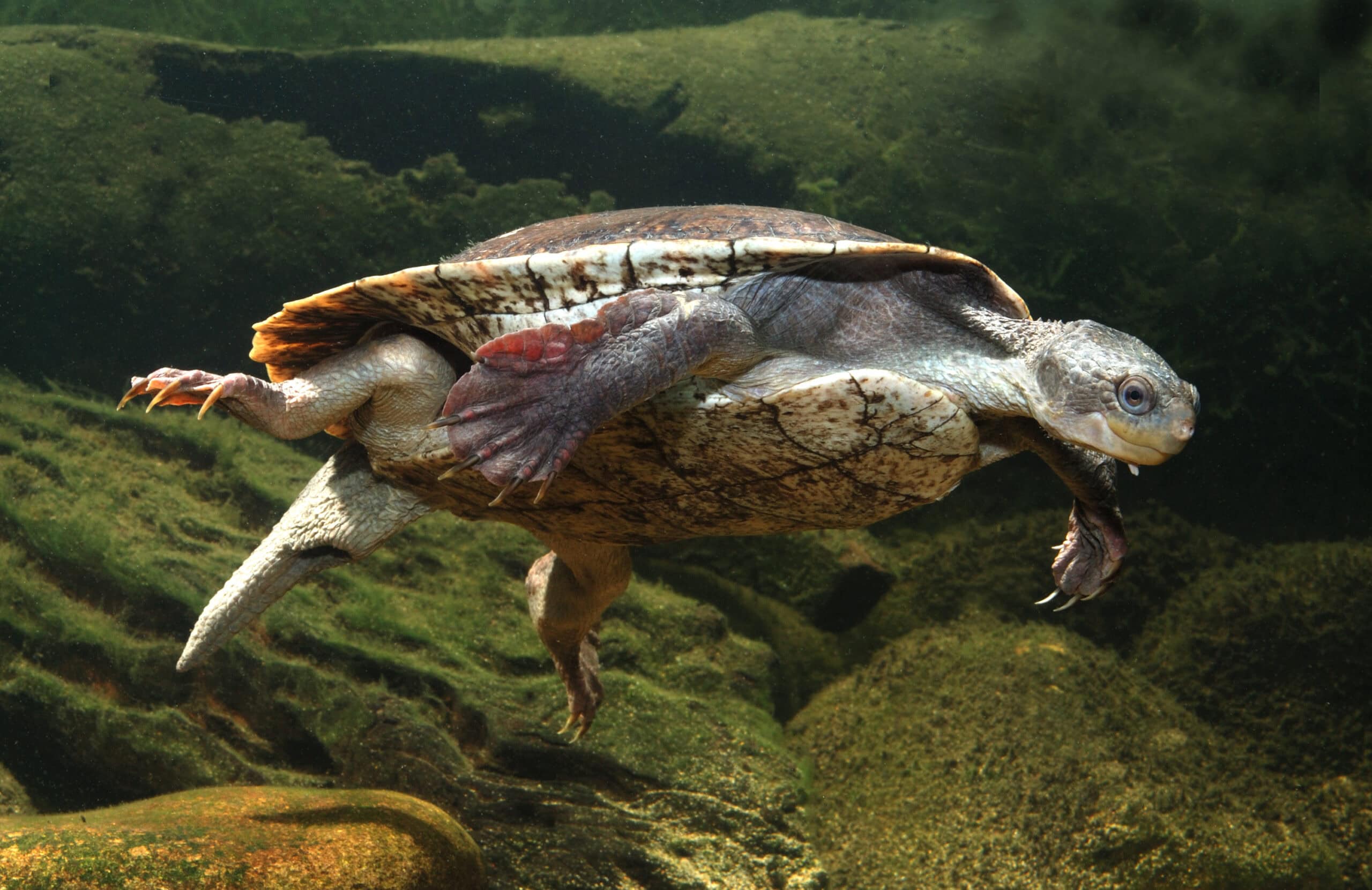
Southern Gulf NRM is helping protect Gulf Snapping Turtle nesting sites and riverbank habitat. Photo: Lochman Transparencies.
Creating safer habitat for Glossies
Glossy Black-Cockatoos are specialist feeders, relying heavily on she-oak seeds, and need large tree hollows for nesting. Habitat loss and changed fire regimes put both at risk.
On a grazing property linking Main Range National Park and the Little Liverpool Range, Healthy Land & Water is improving 3,250 hectares of habitat through fire planning, weed and pest control, and five species-specific refugia for Glossies.
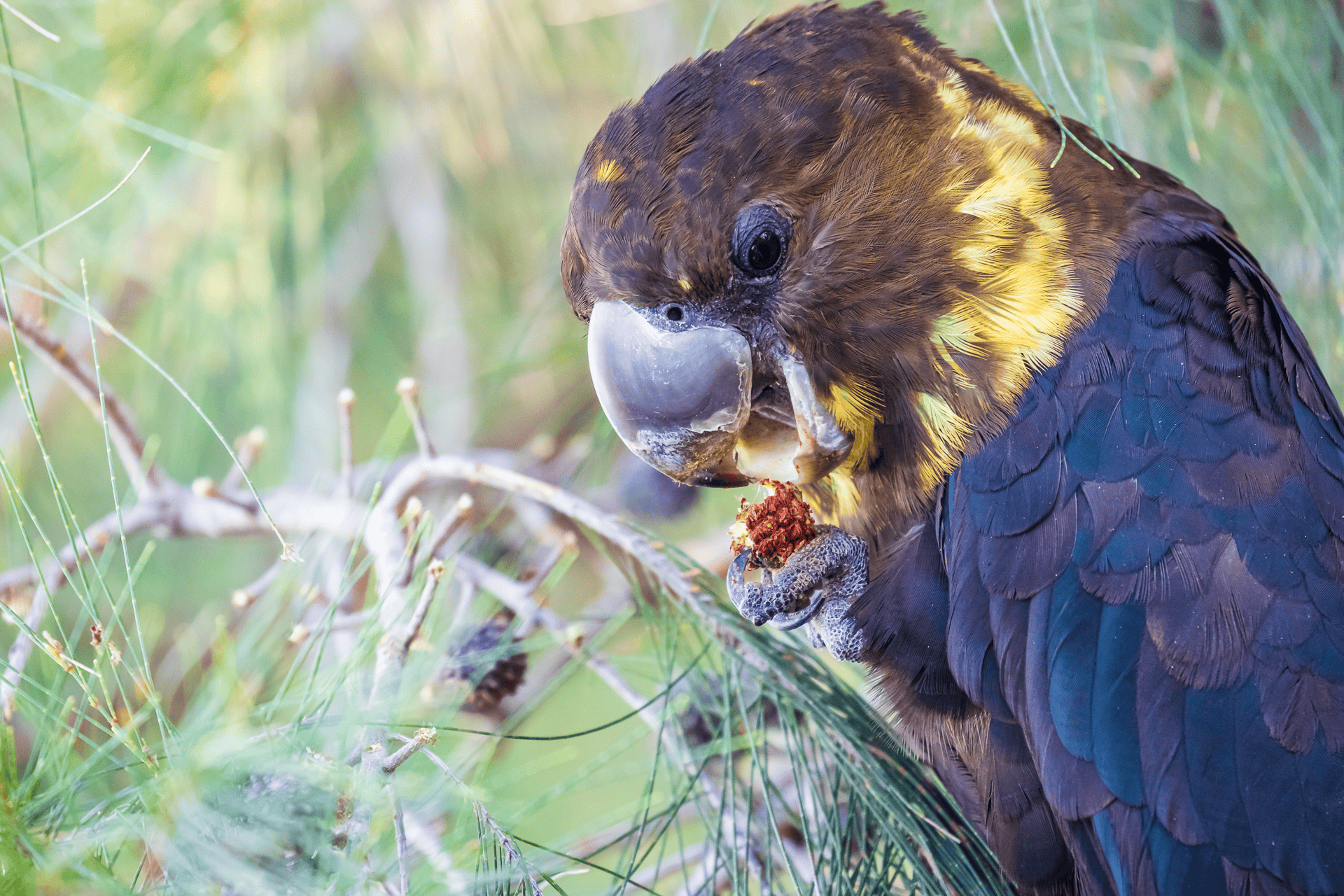
Better fire management, fewer threats and species-specific refugia are helping strengthen Glossy Black-Cockatoo habitat. Photo: Andrew Peacock, Footloose Photography. Courtesy Glossy Black Conservancy.
Biodiversity in productive landscapes
Not every threatened species has feathers, fur or scales.
King Blue-grass is an endangered native grass found only in central and southern Queensland. In Brigalow Country, where King Blue-grass occurs, Fitzroy Basin Association is working with land managers to improve soil resilience, native vegetation and threatened species habitat across 17,680 hectares of productive land.
It’s a good example of the co-benefits at the heart of regional NRM: healthier country, stronger biodiversity and more resilient agricultural landscapes.
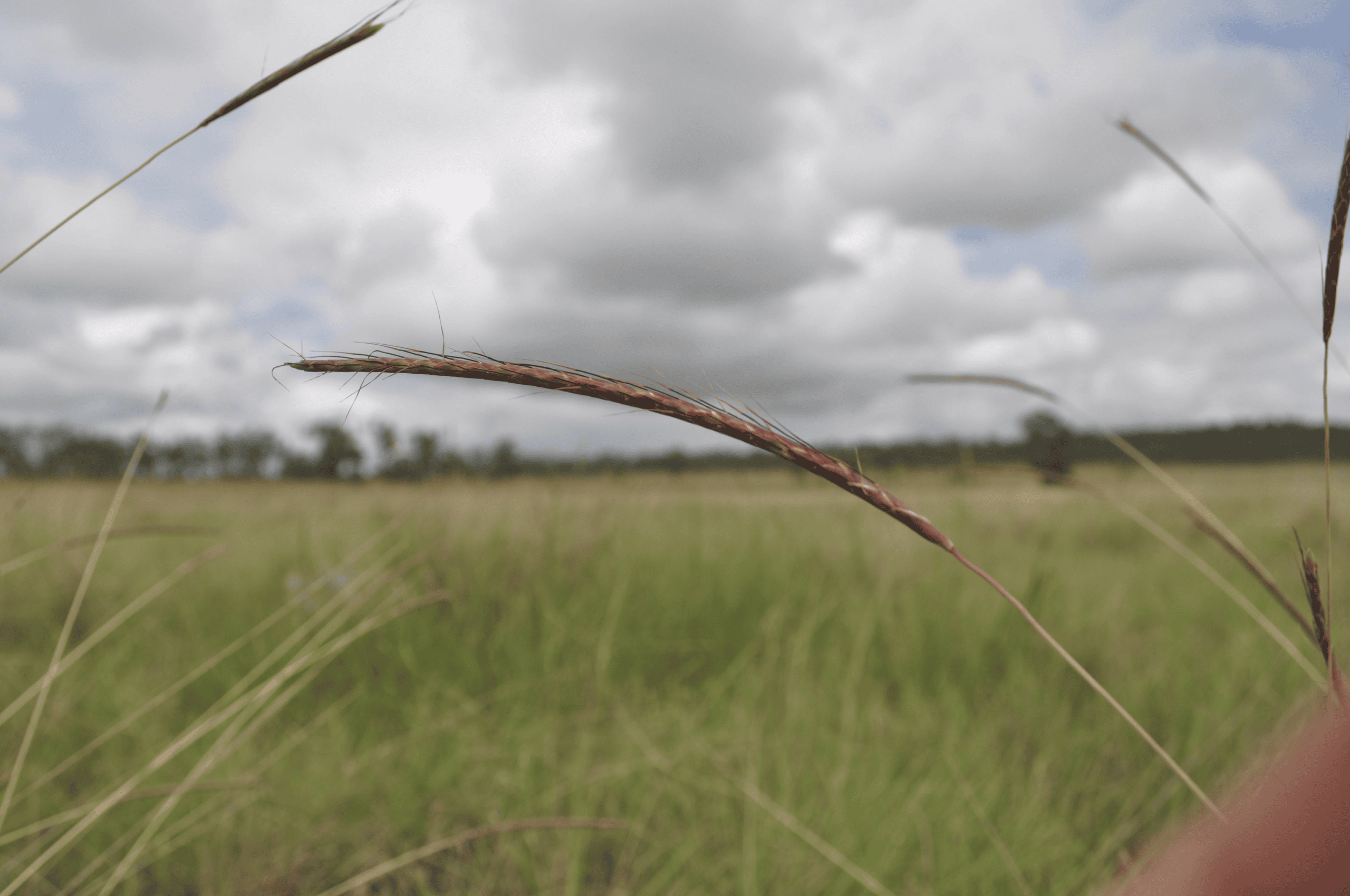
King Blue-grass is one of more than 200 threatened plant and animal species found across Brigalow Country.
Restoring threatened coastal habitat
In the Mackay, Whitsunday and Isaac region, Reef Catchments is working with three regional Landcare groups and local landholders to restore Beach Scrub through targeted weed control and revegetation.
This dense, vine-rich vegetation grows on coastal dunes, beach ridges and swales. It forms part of the nationally Critically Endangered Littoral Rainforest and Coastal Vine Thickets of Eastern Australia ecological community and provides food, shelter and important coastal corridors for native wildlife. More than 70 threatened flora and fauna species are supported by littoral rainforest ecosystems in the region.
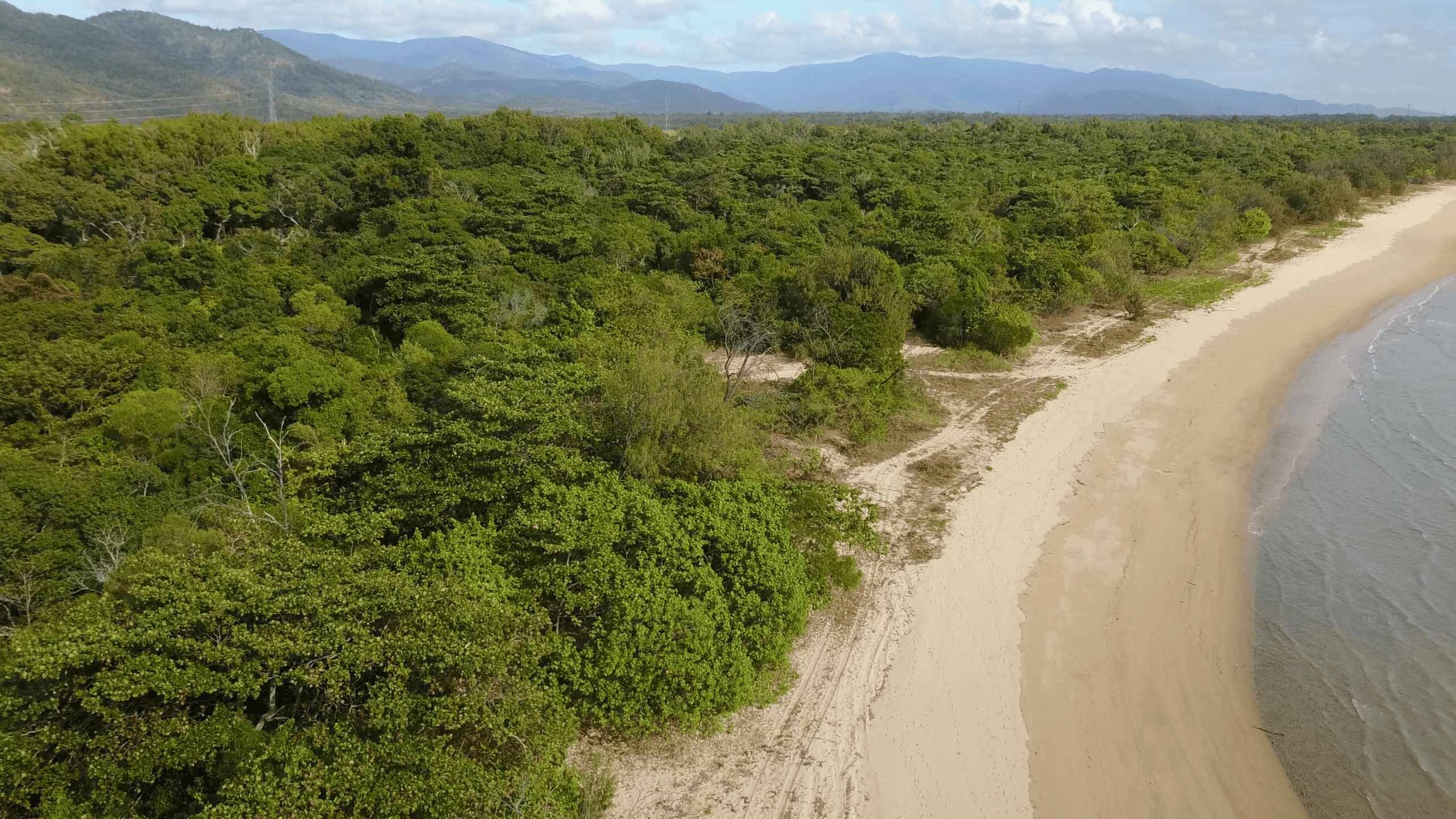
Reef Catchments and regional Landcare groups are restoring threatened coastal vegetation while improving habitat for native wildlife.
Reconnecting rainforest habitat
In the Wet Tropics, the endangered Southern Cassowary plays a vital role in rainforest health by spreading the seeds of many native plants.
Terrain NRM’s Green Connections project is restoring and reconnecting 75 hectares of rainforest habitat, strengthening ecological corridors that help threatened wildlife move, feed and adapt.
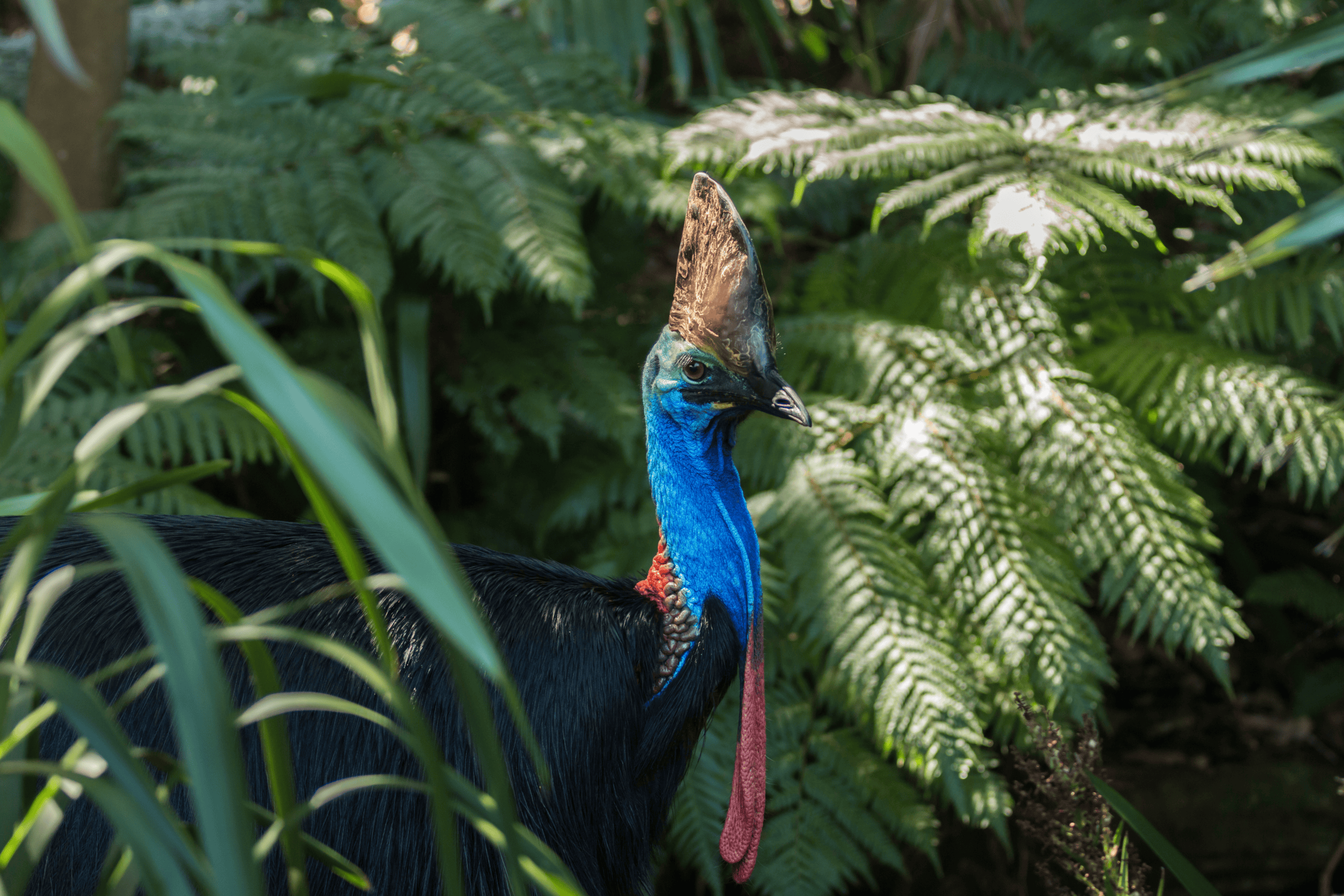
Reconnecting fragmented rainforest gives cassowaries and other threatened wildlife more room to move.
These are only a handful of examples from across the program. Together, they show why biodiversity conservation can’t be separated from the way we manage land, water, weeds, fire, agriculture and regional landscapes.
Explore the biodiversity projects being delivered through the NRM Expansion Program:
The Queensland Government’s NRM Expansion Program is delivered in collaboration with NRM Regions Queensland.
Feature image: Glossy Black-Cockatoo by Andrew Peacock, @footloosefotography