
Protection of the Gulf Snapping Turtle (Elseya lavarackorum)
Regional NRM organisation: Southern Gulf NRM
Location: River systems that flow into the Gulf of Carpentaria, particularly Gregory River, Nicholson River and Lawn Hill Creek
Primary themes
Biodiversity
Key partners
- 2 pastoral landholders
- Department of the Environment, Tourism, Science and Innovation (Threatened Species Unit)
Overview
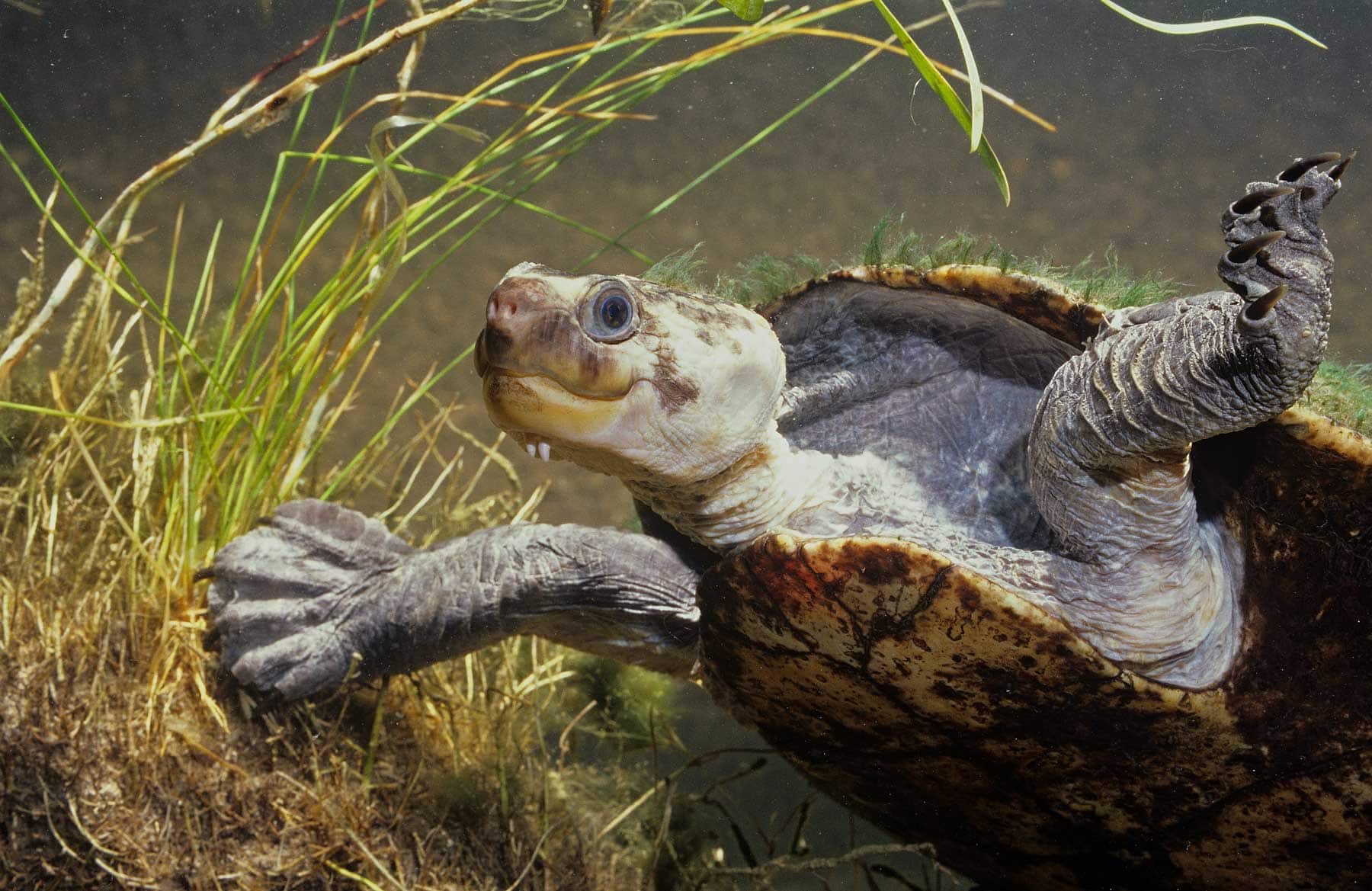
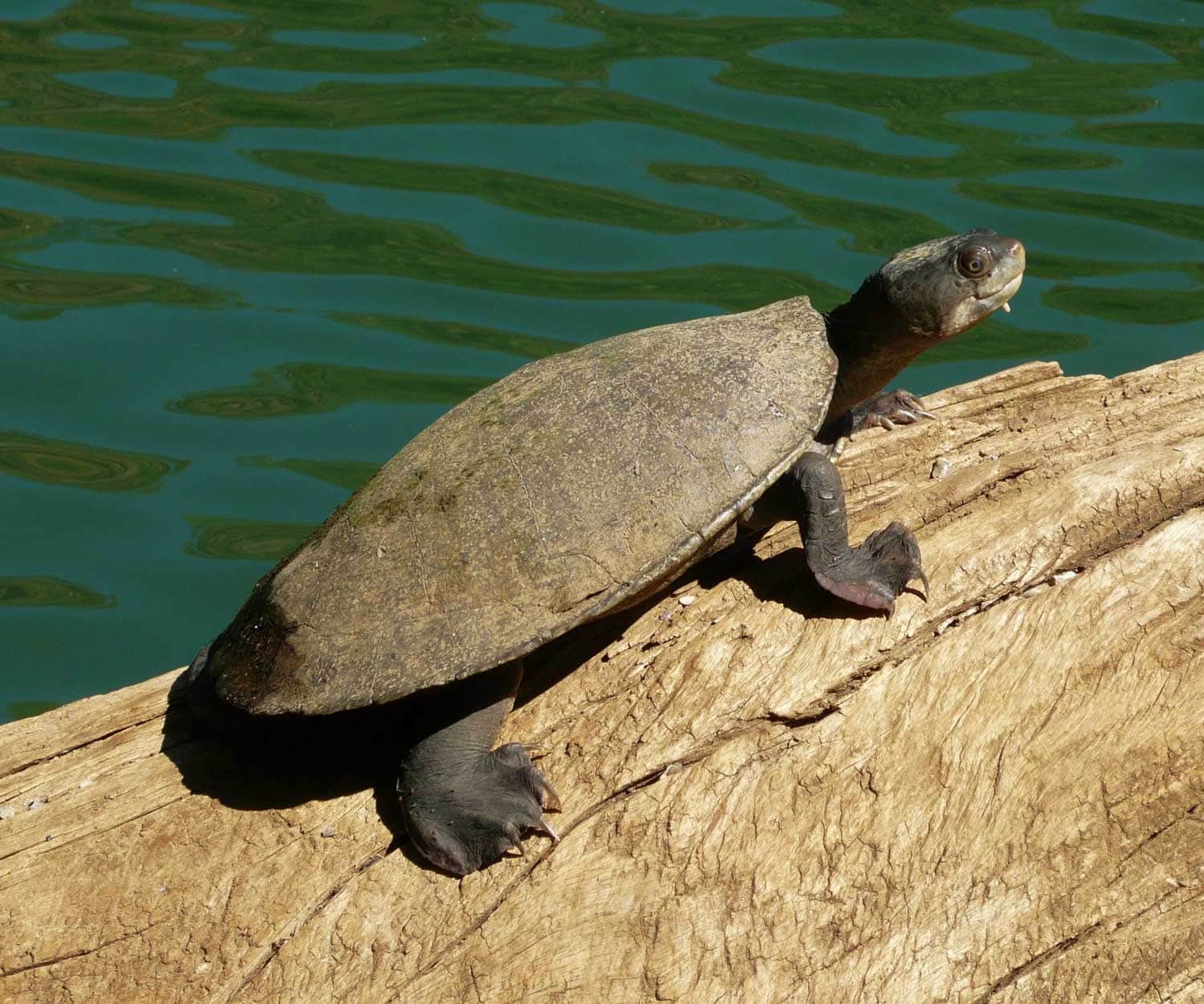
The Gulf Snapping Turtle (Elseya lavarackorum) is Australia’s largest freshwater turtle and is found nowhere else in the world except a handful of river systems flowing into the Gulf of Carpentaria. Once believed extinct, the species remains critically endangered due to predation of eggs and hatchlings by feral pigs, damage to nesting sites from cattle, and ongoing pressure on riverbank habitats.
This project will work with Waanyi Traditional Owners, landholders and conservation partners to reduce these threats across key turtle habitats in the Southern Gulf region of north-west Queensland. Activities will focus on targeted feral pig control, improved cattle management near riparian areas, monitoring and protection of turtle nesting sites, and surveys to better understand turtle populations and habitat condition.
The project will also monitor emerging risks such as the potential spread of invasive tilapia, while building local capacity for threatened species conservation. By protecting nesting sites, improving riverbank habitat and reducing predator pressure, the project aims to increase nesting success and give the Gulf Snapping Turtle a better chance of recovery in the wild.
Secondary themes
Threatened species
Protection and recovery of the critically endangered Gulf Snapping Turtle (Elseya lavarackorum), one of Australia’s rarest freshwater species – once thought extinct.
Biosecurity
Targeted feral pig control to reduce predation on turtle nests and improve survival of eggs and hatchlings.
Waterways
Protection and restoration of riverbank habitat and nesting sites across key Gulf river systems.
Wetlands
Improving the condition of freshwater habitats that support turtle nesting and aquatic biodiversity.
Biodiversity conservation
Improving native vegetation condition and wetland health across large areas of ecological significance.
Landholder engagement
Working directly with landholders and pastoralists to implement on-ground actions and improve land management practices.
Jobs and regional capacity
Project officers, contractors and Indigenous ranger groups contributing to delivery in remote northern Queensland.
Technology and innovation
Use of environmental DNA, camera traps and monitoring tools to detect turtle presence and track threats.
By the numbers
70 percent reduction
target for feral pigs in turtle habitat areas
2 participating pastoral properties
in Burke Shire
8 monitoring and management sites
across turtle habitat
16 protective nesting boxes
installed to protect turtle nests from predators
48 monitoring cameras
used to track feral pig activity and nesting sites
8 targeted environmental DNA surveys
each year to detect Gulf Snapping Turtles and monitor for invasive species
image credits from top to bottom:
Lochman Transparencies; iNaturalist; Lochman Transparencies; Alistair Freeman.
This project is funded by the Queensland Government’s Natural Resource Management Expansion Program