Green Connections
Regional NRM organisation: Terrain NRM
Location:Wet Tropics region of Far North Queensland, focusing on strategically important areas near the Wet Tropics World Heritage Area.
Primary themes
Land & Soil
Biodiversity
Key partners
- FNQ Regional Organisation of Councils
- Wet Tropics Restoration Alliance
- Rainforest Aboriginal Peoples
- Wet Tropics Management Authority
- Queensland Parks and Wildlife Service
- Department of Natural Resources, Mines, Manufacturing and Regional and Rural Development
- Landcare and community organisations: Rainforest Rescue, Community for Coastal and Cassowary Conservation (C4), South Endeavour Trust, Trees for the Evelyn and Atherton Tablelands (TREAT), Barron Catchment Care and Jaragun
Overview
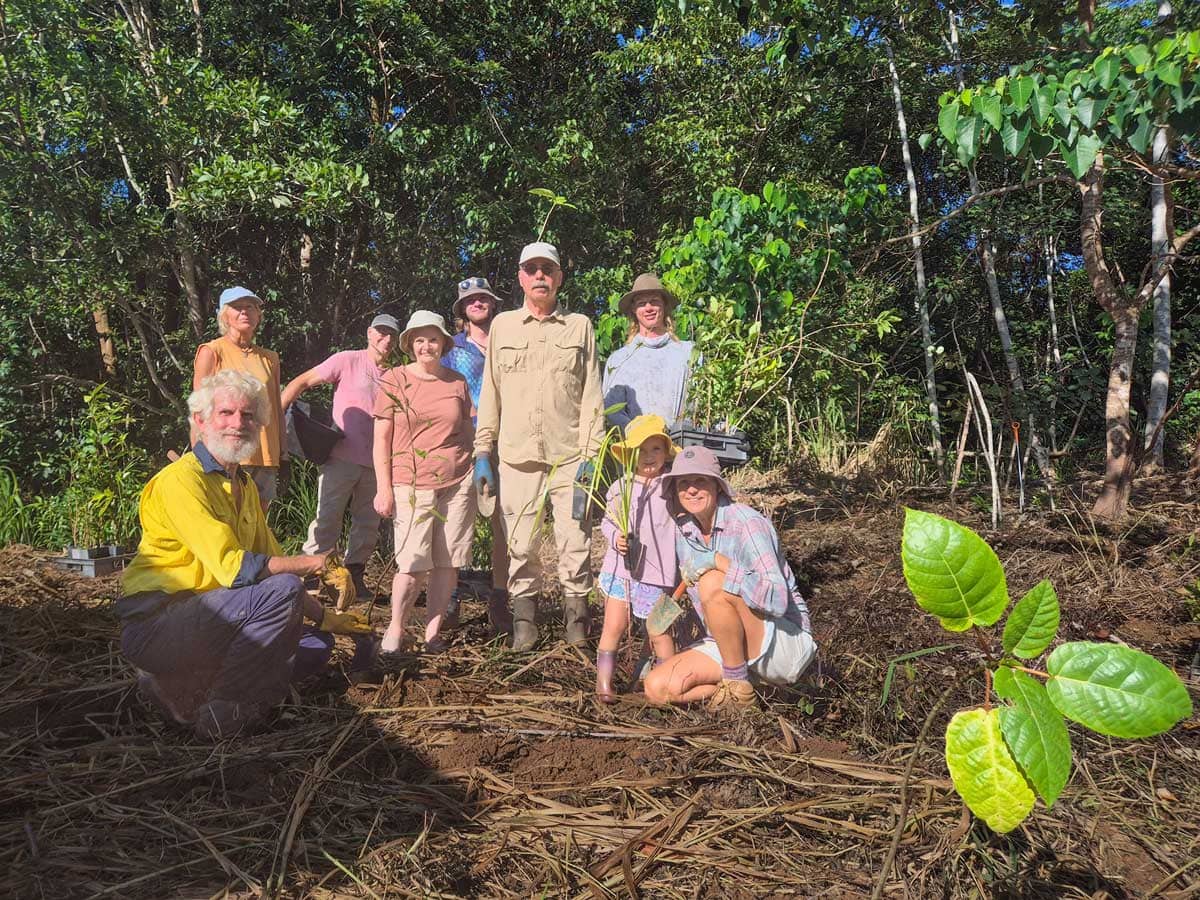
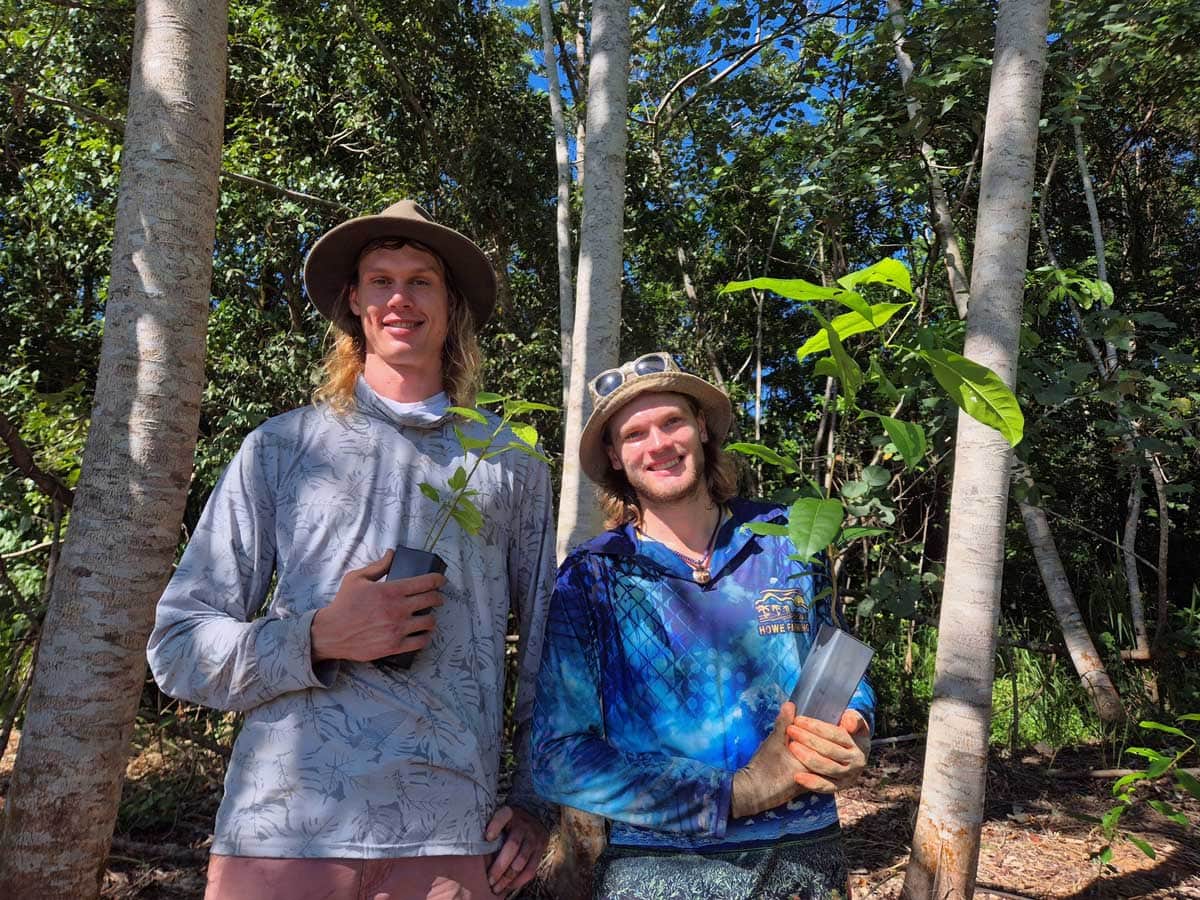
The Green Connections project will restore and reconnect rainforest habitat across the Wet Tropics of Far North Queensland, one of the most biologically diverse landscapes on Earth. Working with landholders, Traditional Owners and on-ground restoration groups, the project will focus on strategically restoring and revegetating degraded areas near the Wet Tropics World Heritage Area to strengthen biodiversity and climate resilience.
On-ground works will improve the condition and extent of 75 hectares of native vegetation and Threatened Ecological Communities, including targeted restoration to control weeds and pests, assisted natural regeneration and biodiverse revegetation. Activities will prioritise key ecological corridors and strategic rehabilitation areas to reconnect fragmented rainforest and improve habitat for threatened species.
By rebuilding landscape connectivity and buffering remnant rainforest, the project will deliver benefits for biodiversity, soil health and water quality while creating new opportunities for landholders and Indigenous partners to participate in critical revegetation and restoration activities.
Secondary themes
Biodiversity conservation
Restoring and improving native vegetation across the Wet Tropics to support one of the most biologically diverse landscapes in Australia.
Threatened ecological communities
Protection and restoration of Threatened Ecological Communities through targeted revegetation, assisted natural regeneration and weed and pest control.
Threatened species
Improving habitat for threatened flora and fauna through restoration of fragmented rainforest systems and ecological corridors.
Habitat connectivity
Reconnecting fragmented rainforest landscapes to strengthen ecological corridors and support species movement.
Climate resilience and adaptation
Restoring rainforest corridors that help species move and adapt in a warming climate.
Waterways
Improving riparian vegetation condition to reduce erosion and improve water quality in adjacent catchments.
Soil health and land condition
Improving soil structure, water retention and soil function through revegetation and restoration activities.
Indigenous engagement and leadership
Involvement of Rainforest Aboriginal Peoples and Traditional Owner groups in restoration planning and delivery.
Landholder engagement
Working with landholders to restore degraded land and support participation in restoration opportunities.
Capacity building and skills development
Building skills and knowledge among landholders, Indigenous rangers and partners to support long-term landscape stewardship.
Capacity building and skills development
Supporting restoration groups, landholders and partners to build skills in revegetation and ecosystem recovery.
Local government partnerships
Collaboration with FNQ Regional Organisation of Councils and local councils to support corridor planning and regional coordination.
By the numbers
75 hectares
of native vegetation and rainforest habitat improved
64 hectares
of restoration works (weed and pest control, assisted natural regeneration)
11 hectares
of biodiverse revegetation (new rainforest planting)
22 hectares
of works within Threatened Ecological Communities
53 hectares
of works in native vegetation outside TECs
0.5 hectares
of early revegetation delivered in the first five months
This project is funded by the Queensland Government’s Natural Resource Management Expansion Program
