Fighting Invasive Species Together
Regional NRM organisation: NQ Dry Tropics
Location: Magnetic Island (Wulgurukaba Yunbenun), Palm Island (Yunbenun) and the Lower Burdekin (Bindal) this includes areas in the Townsville Offshore and Lower Burdekin sub-catchments
Primary themes
Land & Soil
Key partners
- Gudjuda Aboriginal Corporation Land and Sea Rangers
- MinggaMingga Land and Sea Rangers (Palm Island / Manbarra Traditional Owners)
- Wulgurukaba Yunbenun Land and Sea Rangers (Magnetic Island)
- Girringun Aboriginal Corporation Rangers
- Burdekin Dry Tropics First Nations Traditional Owner Management Group
- Burdekin Regional Pest Management Group
- Townsville City Council
- Burdekin Shire Council
- Palm Island Aboriginal Shire Council
- Grazing and private landholders in the Lower Burdekin
- Queensland Parks and Wildlife Service (QPWS)
- Queensland Fire Department / Rural Fire Service (via Gudjuda Rangers)
Overview
The Fighting Invasive Species Together project prioritises collaboration to tackle two major threats to the Burdekin region’s landscapes and biodiversity: invasive species and increasing risk of wildfire. The project will improve the condition of native vegetation and strengthen landscape resilience across four sites in the Townsville Offshore and Lower Burdekin sub-catchments. On-ground activities will focus on coordinated weed and feral animal control and the reintroduction of low-intensity and mosaic cultural burning to manage invasive species and reduce fuel loads, healing Country to support healthier ecosystems.
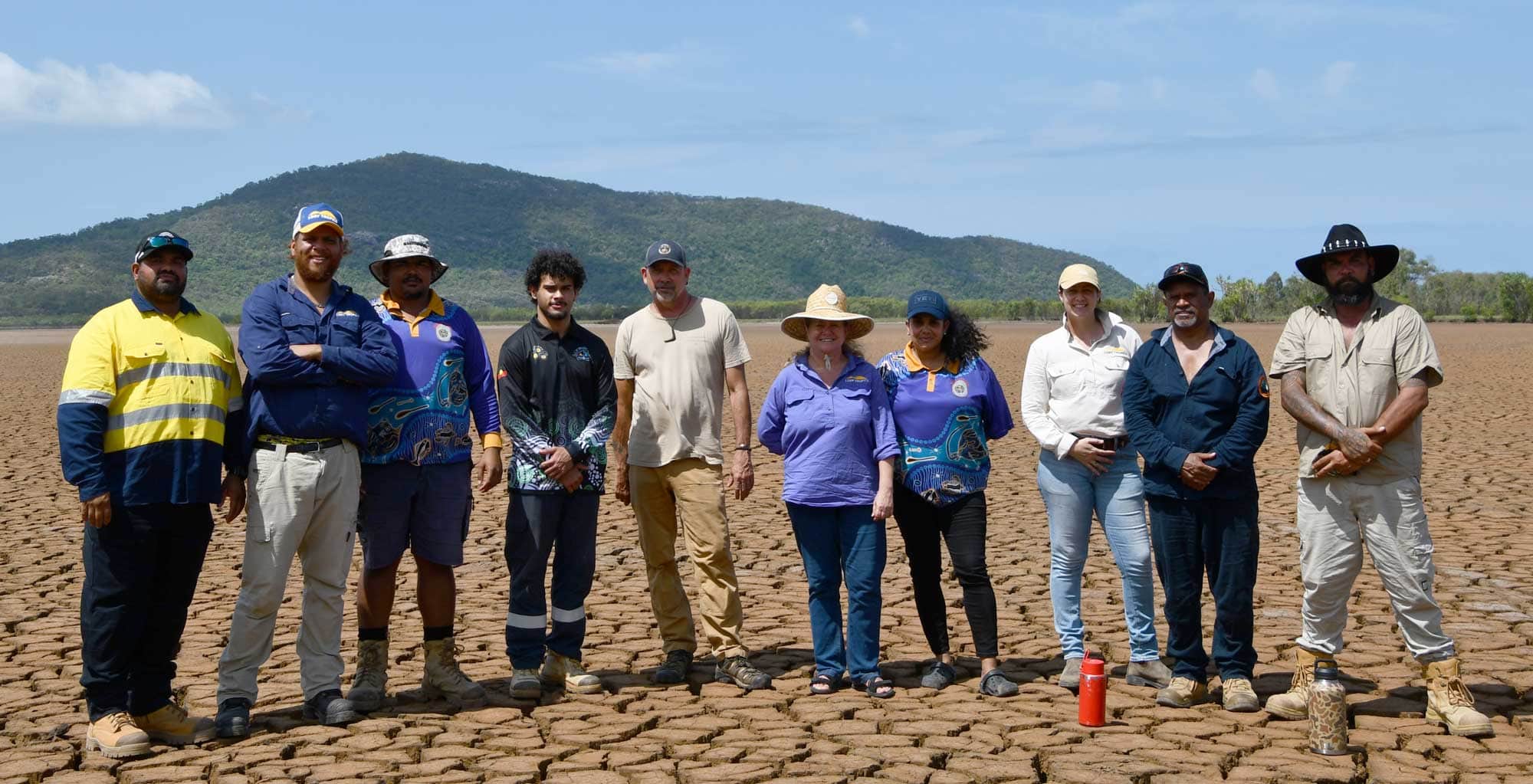
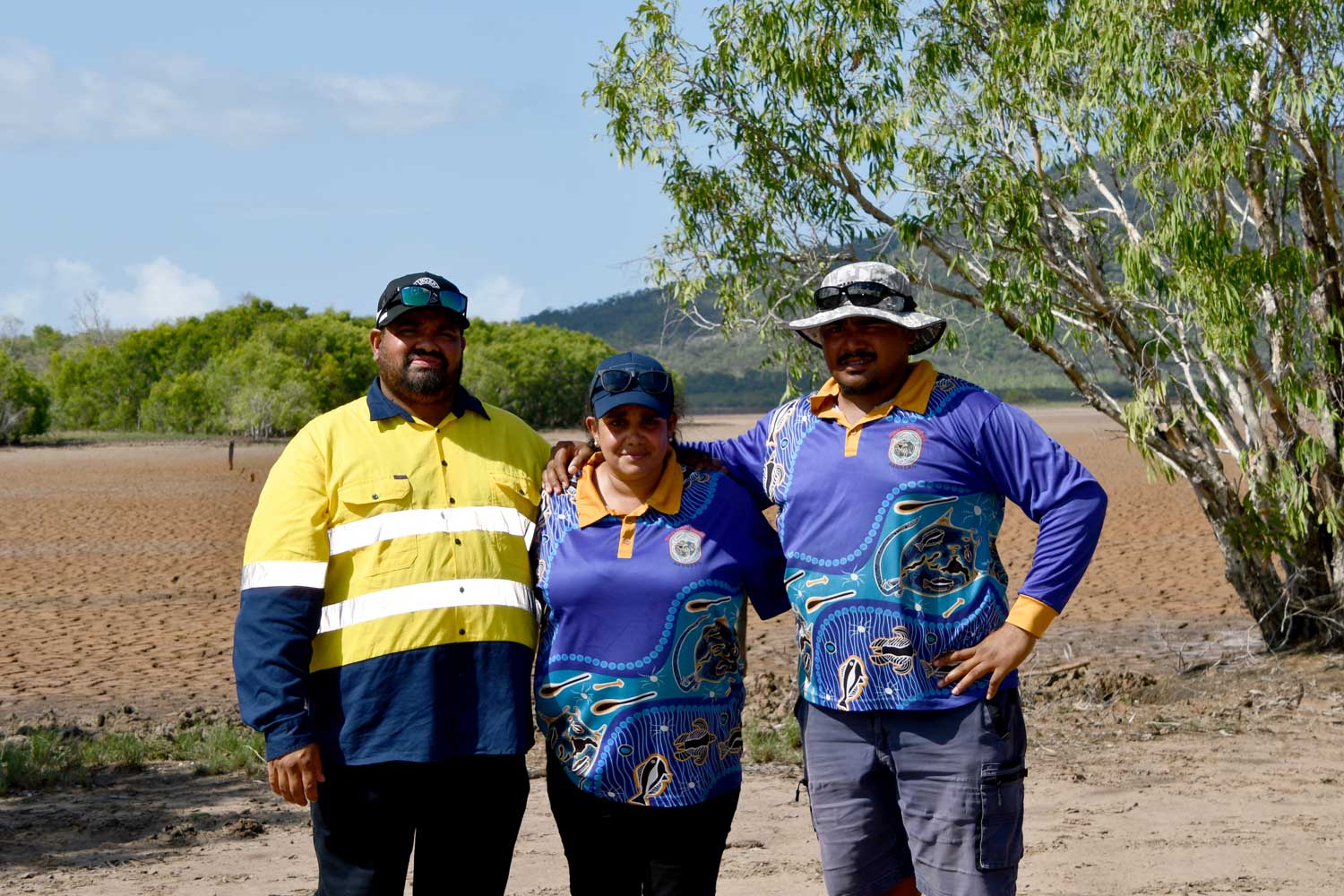
The project will be delivered in partnership with four Indigenous Land and Sea Ranger groups working on Magnetic Island (Yunbenun), Palm Island (Manbarra) and mainland sites in the Lower Burdekin (Bindal). Rangers, landholders and regional partners will collaboratively plan and implement threat-mitigation activities while monitoring changes in vegetation condition and fire resilience using the Statewide Indicators Framework.
By combining best-available science, Traditional knowledge and local land management experience, the project will demonstrate how coordinated action across islands, mainland landscapes and multiple land tenures can reduce invasive species impacts, strengthen wildfire resilience and build long-term capacity for collaborative land management across the region.
Secondary themes
Biosecurity
Coordinated collaborative control of invasive weeds and feral animals to reduce landscape-scale threats to native vegetation and ecosystem health.
Fire management
Reintroduction of low-intensity and mosaic cultural burning to heal Country by managing invasive species, reducing fuel loads and improving landscape resilience.
Biodiversity conservation
Improving the condition of native vegetation and habitat across island and mainland sites to support ecological function.
Indigenous engagement and leadership
Indigenous Land and Sea Ranger groups leading on-ground delivery, planning and invasive species threat mitigation activities across multiple sites.
Landholder engagement
Working with landholders and stakeholders across multiple tenures to coordinate invasive species management and fire practices.
Capacity building and skills development
Training rangers, landholders and partners in invasive species management, cultural burning and monitoring techniques.
Technology and innovation
Use of monitoring frameworks such as SWIF and digital tools to track vegetation condition, fire resilience and project outcomes.
Local partnerships
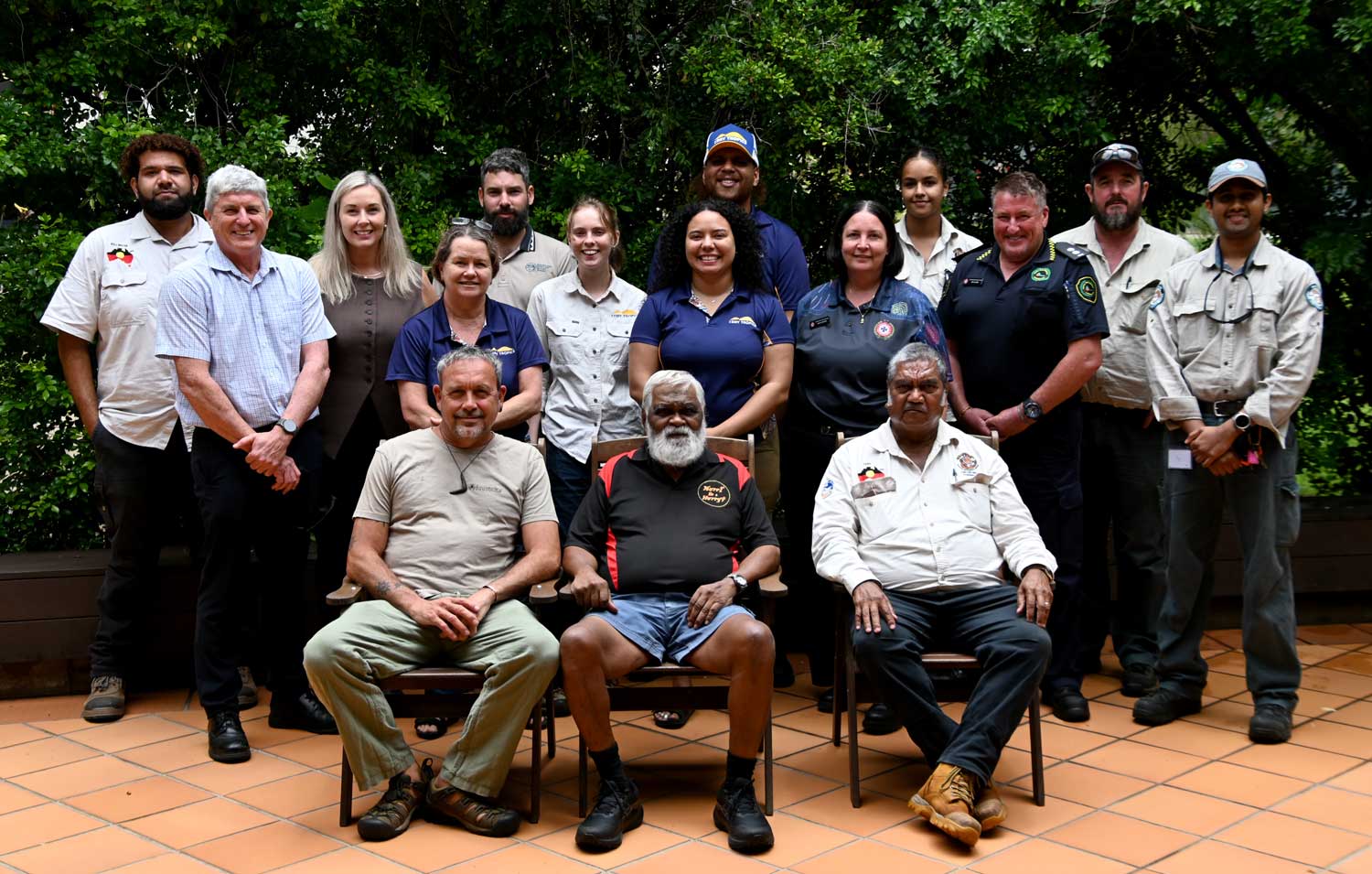
Collaboration with Rural Fire Service (QFD), Queensland Parks & Wildlife Service (DESTI), and Townsville City Council, Burdekin Shire Council and Palm Island Aboriginal Shire Council through the Indigenous Ranger groups to support regional delivery.
Jobs and regional capacity
Indigenous ranger groups, project staff and contractors contributing to delivery and building long-term regional resilience and capability.
Cross-tenure collaboration
Coordinated action across landscapes and multiple land tenures to address shared threats at scale.
By the numbers
4 project sites
across Magnetic Island, Palm Island and the Lower Burdekin
4 Indigenous Land and Sea Ranger groups
building capacity in fighting invasive species and delivering on-ground work
26 hectares
of native vegetation improved
2,000 hectares
of vegetation with increased wildfire resilience
36 invasive species
mitigation activities (weed and feral animal control)
6 cultural controlled burn
activities to reduce wildfire risk
3 years
of on-ground delivery
1.6 FTE
NQ Dry Tropics project staff supporting delivery
200+ hours
of collaboration including in-kind support from stakeholders and land managers
This project is funded by the Queensland Government’s Natural Resource Management Expansion Program
