Urban Rewilding
Regional NRM organisation: Healthy Land & Water
Location: Urban and peri-urban areas across Southeast Queensland
Primary themes
Land & Soil
Biodiversity
Key partners
- State government
- Local governments across SEQ
- Brisbane Catchments Network
- Habitat Brisbane (Brisbane City Council)
- Council of Mayors (SEQ) – Resilient Rivers Initiative
- First Nations groups and Land and Sea Ranger groups
- Landcare and community groups
- Private Landholders participating in Land for Wildlife or Voluntary Conservation Agreements
Overview
Urban Rewilding will restore and expand native vegetation and habitat across urban and peri-urban landscapes in Southeast Queensland. The project focuses on improving biodiversity, increasing urban canopy cover and strengthening ecological connectivity within rapidly growing urban areas, while building landscape-scale resilience to natural disaster and climate change.
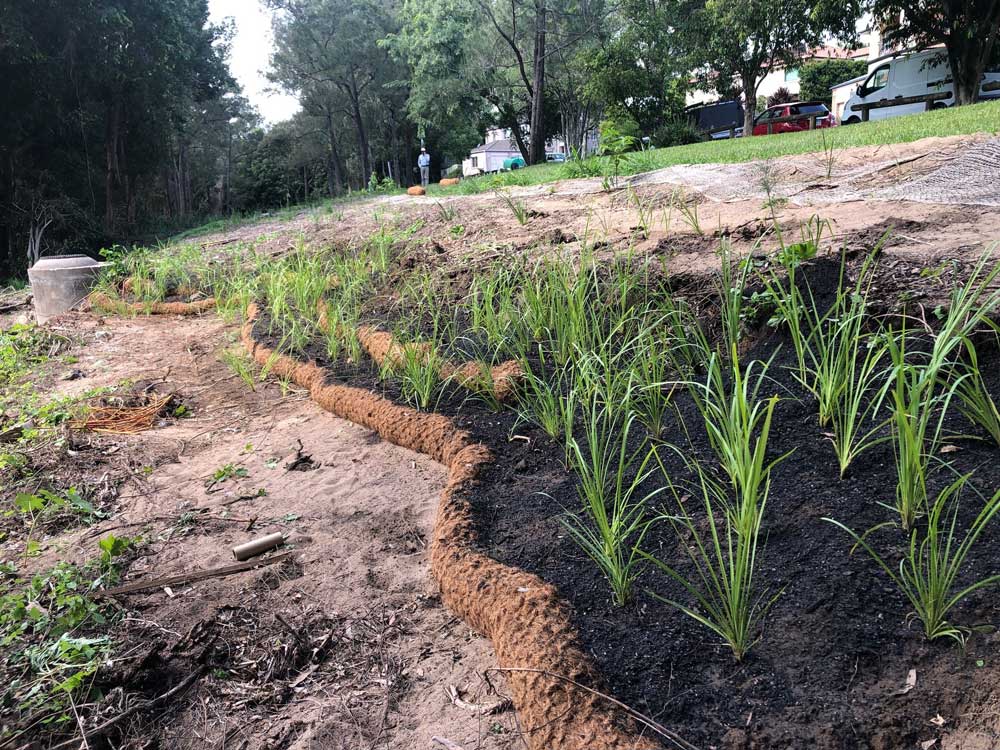
The project will deliver nature-based solutions such as native revegetation, assisted natural regeneration, weed control, exclusion fencing, water sensitive urban design and installation of habitat refugia. These activities will improve the condition and extent of native vegetation while reducing threats to priority species.
Working collaboratively with local governments, community groups and landholders to identify priority locations and implement on-ground actions, the project will create greener and more connected urban and peri-urban landscapes that support threatened species, improve stormwater management, reduce heat and deliver healthier natural spaces for urban communities
Secondary themes
Biodiversity conservation
Restoring and expanding native vegetation and habitat across urban and peri-urban landscapes to support native species.
Habitat connectivity
Strengthening ecological corridors and linkages between remnant vegetation patches to support species movement across urban landscapes.
Biosecurity
Targeted weed control, stock exclusion and access management to reduce direct threats to native vegetation condition across 140ha of urban and peri-urban areas.
Threatened species
Improving habitat and refugia for species such as koala, powerful owl, grey-headed flying fox, greater glider and Richmond birdwing butterfly.
Climate resilience and adaptation
Increasing urban canopy cover and green space to reduce urban heat and improve resilience to climate impacts.
Community stewardship and engagement
Working with community groups, volunteers and land managers to support long-term management of urban natural areas.
Landcare and community groups
Delivery through networks such as Brisbane Catchments Network and Habitat Brisbane, supporting community-led restoration.
Local government partnerships
Collaboration with councils and regional initiatives such as the Council of Mayors and Resilient Rivers Initiative.
Landholder engagement
Working with land managers and stakeholders across urban and peri-urban areas to implement restoration and habitat improvement activities.
Capacity building and skills development
Supporting councils, community groups and land managers with skills and knowledge to manage and restore urban ecosystems.
Technology and innovation
Application of water-sensitive urban design and monitoring approaches to improve ecosystem function in urban environments.
By the numbers
180 hectares
increased extent of native vegetation through revegetation and assisted regeneration
140 hectares
of native vegetation improved in condition
70 habitat refugia
installed to support threatened species
Images from top of page to bottom:
Enoggera Creek and Cicada Park, examples of similar Water Sensitive Urban Design projects by Healthy Land & Water
This project is funded by the Queensland Government’s Natural Resource Management Expansion Program
