
Threatened Species Resilience
Regional NRM organisation: Healthy Land & Water
Location: Adjacent to Main Range National Park
Primary themes
Biodiversity
Key partners
- One 3,250ha strategically identified grazing property
- Queensland Fire & Biodiversity Consortium
Overview
The Threatened Species Resilience project is delivering targeted action to protect and strengthen habitat for vulnerable wildlife on a 3,250-hectare grazing property strategically located between Main Range National Park and the Little Liverpool Range. The property forms an important habitat link supporting threatened species, including koala, greater glider, glossy black-cockatoo and brush-tailed rock wallaby.
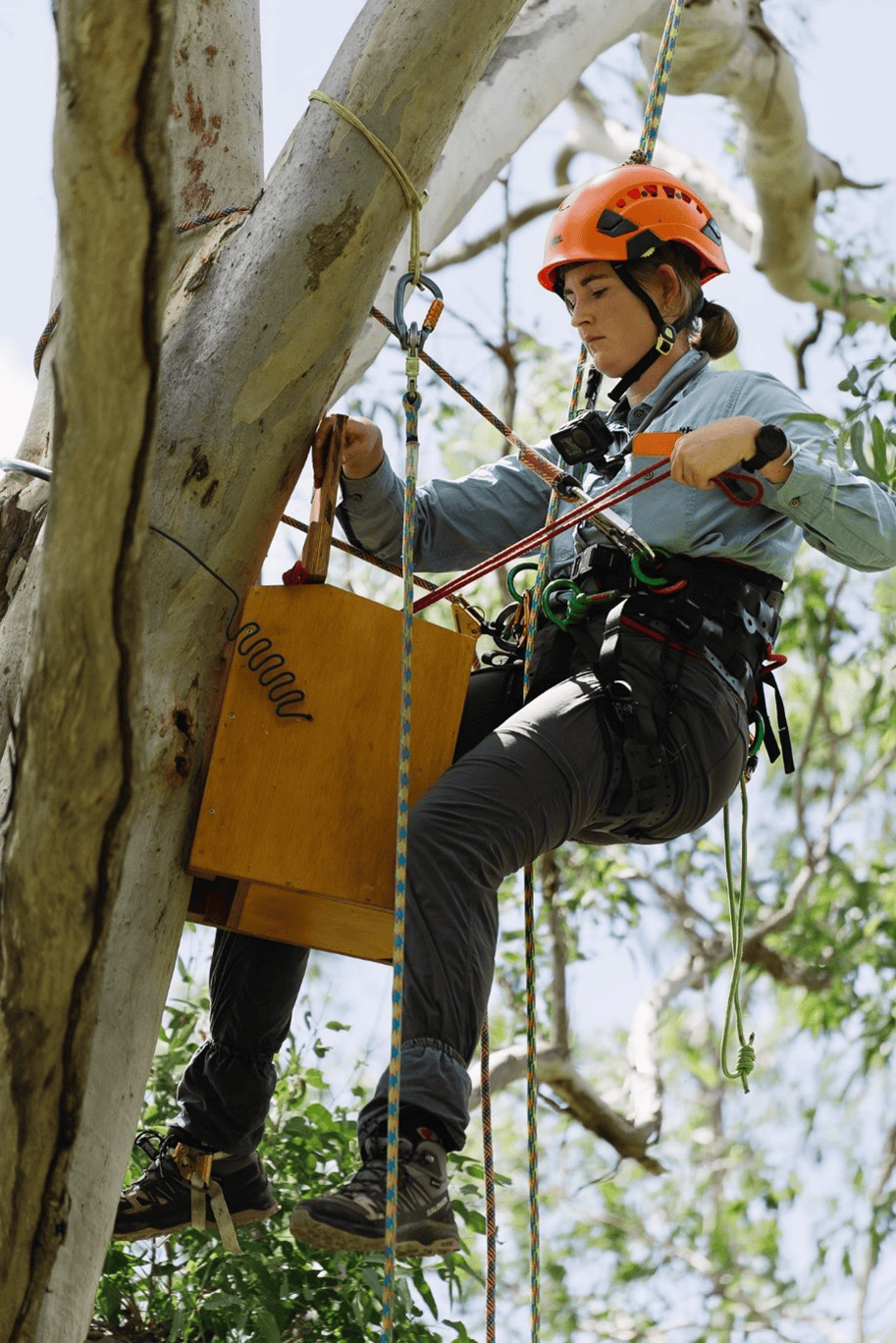
The project focuses on practical threat reduction across this high-value landscape. Activities include invasive weed control, predator management targeting foxes, development and implementation of a comprehensive fire management plan to improve habitat management, and the installation of habitat refugia and watering points to help wildlife withstand extreme weather events.
Secondary themes
Biosecurity
Targeted predator control, particularly fox management, to reduce predation pressure on threatened species and improve habitat condition.
Fire management
Fire ecology assessments and tailored fire management planning to restore appropriate fire regimes and support habitat resilience.
Biodiversity conservation
Improving habitat condition and ecological function across a strategically located property linking major conservation areas.
Threatened species
Targeted action to support species including koala, greater glider, glossy black-cockatoo and brush-tailed rock wallaby.
Habitat connectivity
Strengthening ecological links between Main Range National Park and the Little Liverpool Range to support species movement and resilience.
Biosecurity
Targeted removal of invasive weed species across 12 hectares of threatened species habitat to reduce barriers to species movement and improve vegetation condition.
Landholder engagement
Working directly with land managers to implement on-ground habitat improvements and threat reduction on private land.
Capacity building and skills development
Building landholder and practitioner capability in habitat management, fire planning and threat reduction techniques.
Technology and innovation
use of monitoring tools such as detection dogs, camera traps and ecological assessments to guide management and track outcomes
Jobs and regional capacity
Engagement of specialist contractors, ecologists and land managers to deliver on-ground works and monitoring activities.
By the numbers
1 strategic grazing property
connecting Main Range National Park and Little Liverpool Range
3250 hectares
threatened species habitat under improved management
15 species-specific refugia installed
10 for greater gliders and 5 for glossy black-cockatoo
12 hectares
of weed management
4 threatened species targeted
(koala, brush-tailed rock wallaby, glossy black-cockatoo, greater glider)
1 tailored fire management plan
Images credits:
Brush-tailed rock-wallaby (Penn Lloyd)
This project is funded by the Queensland Government’s Natural Resource Management Expansion Program
