
Restoring the ecological value of springs forming part of the groundwater dependent ecosystems of the Great Artesian Basin
Regional NRM organisation: Gulf Savannah NRM
Location: Great Artesian Basin spring complexes
Primary themes
Water
Key partners
- Great Artesian Basin springs property owners
- Traditional Owner groups
- Queensland Herbarium
Overview
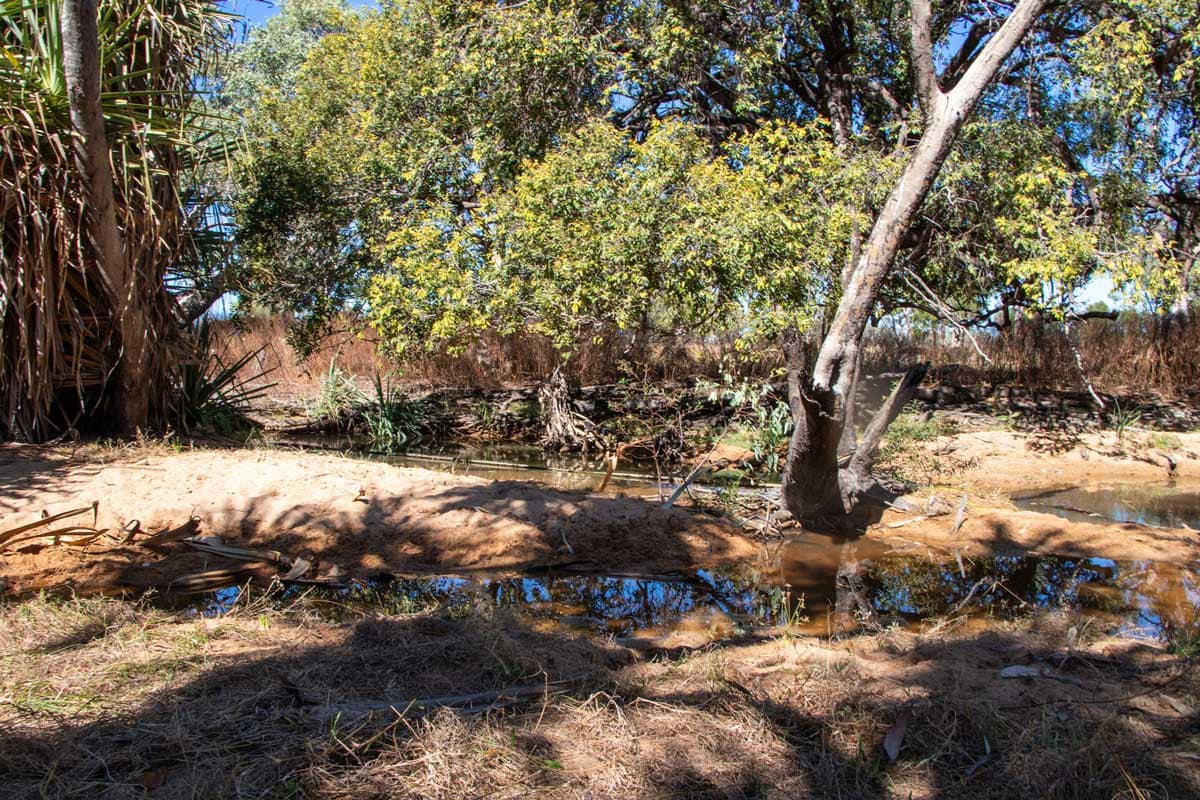
This project will protect and restore fragile spring wetlands that form part of the Great Artesian Basin groundwater system in the Northern Gulf of Carpentaria. These springs are rare groundwater-dependent ecosystems that support unique plant and animal communities and hold significant cultural value for Traditional Owners, while also providing important water sources within pastoral landscapes. Many Great Artesian Basin spring ecosystems are recognised as Threatened Ecological Communities under national environmental legislation, making their protection a priority.
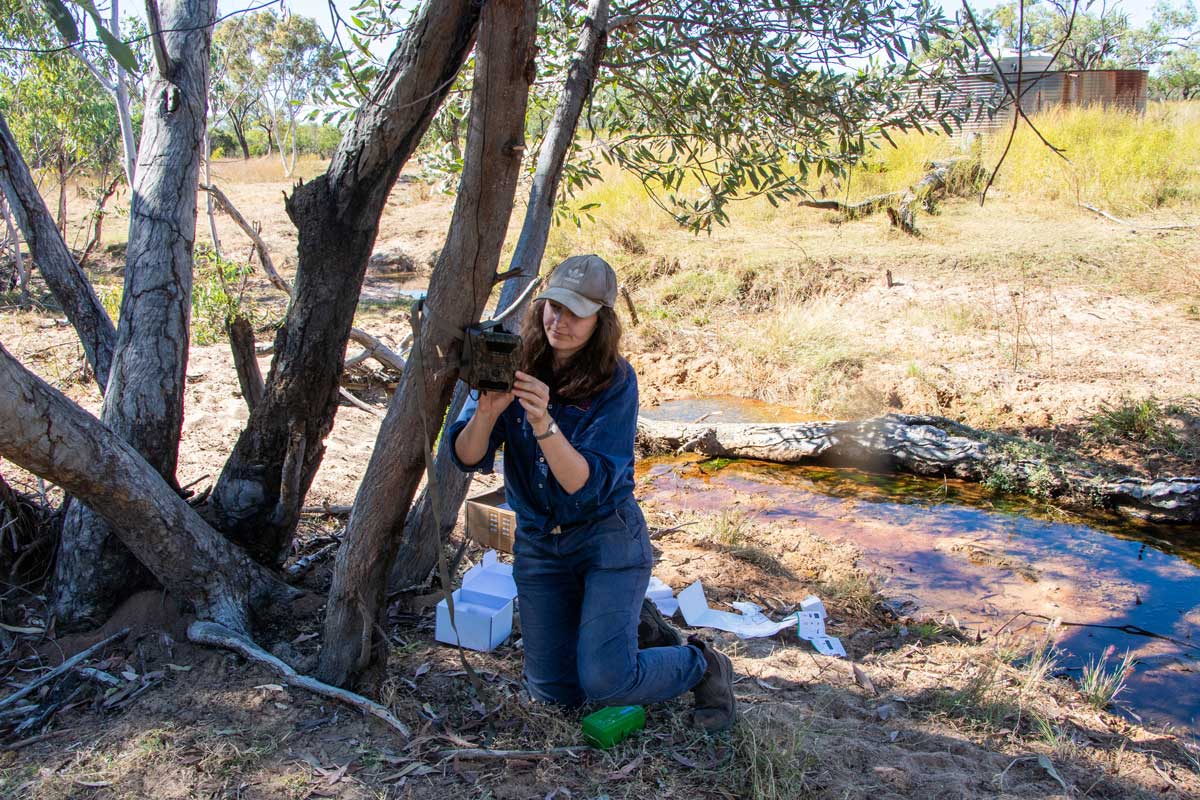
The project focuses on improving the ecological condition of spring wetlands through practical threat reduction and targeted monitoring. Fencing will exclude livestock and feral pigs from sensitive wetland areas, alternative watering points will reduce pressure on springs, and invasive weeds will be controlled. These actions will be supported by ecological surveys, water quality monitoring and emerging tools such as eDNA and bioacoustic monitoring to better understand biodiversity in these poorly studied ecosystems.
By combining on-ground restoration with scientific monitoring and landholder collaboration, the project will improve the health of Great Artesian Basin spring wetlands while building knowledge to guide long-term management of these rare and nationally significant ecosystems.
Secondary themes
Biosecurity
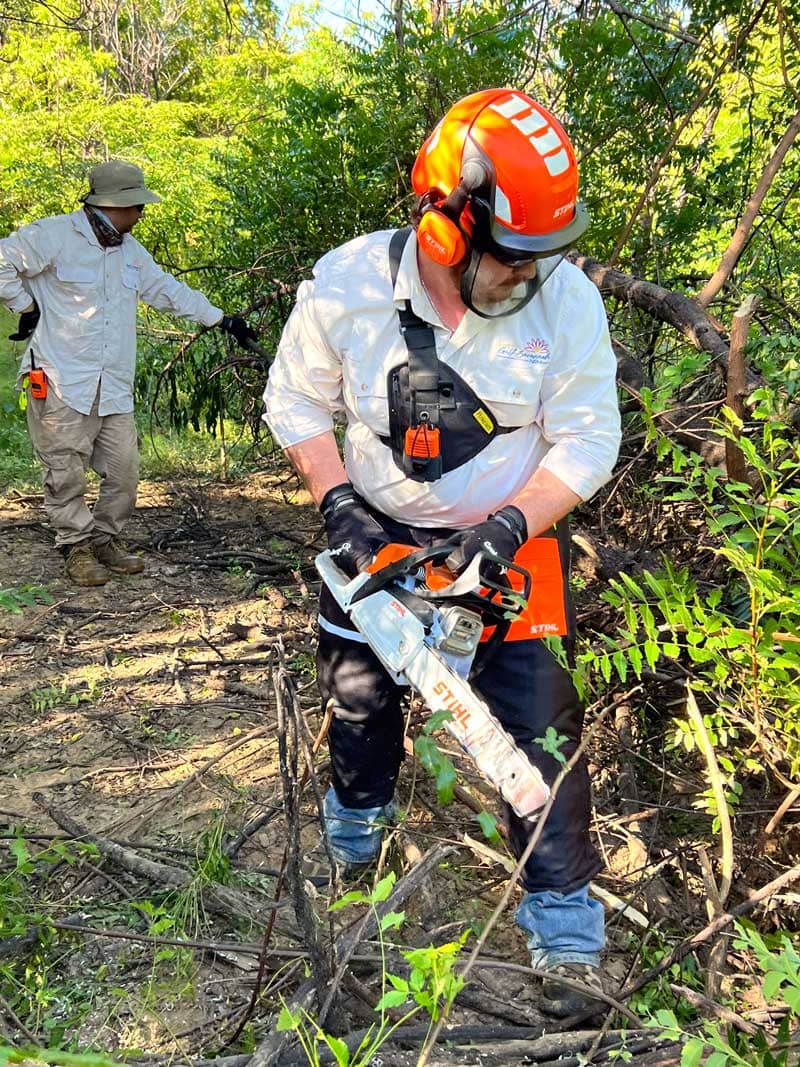
Feral pig control and invasive weed management to protect fragile spring wetlands from degradation and disturbance.
Biodiversity conservation
Protecting endemic species and ecological values associated with Great Artesian Basin spring ecosystems.
Threatened ecological communities
Protection and restoration of Great Artesian Basin springs recognised as nationally listed Threatened Ecological Communities.
Wetlands
Protection and restoration of groundwater-dependent spring wetlands that support unique biodiversity in arid landscapes.
Waterways
Improving water quality and hydrological function of spring systems and associated surface water connections.
Indigenous engagement and leadership
Involvement of Traditional Owners and Indigenous rangers in monitoring, planning and on-ground delivery.
Sustainable agriculture
Supporting grazing enterprises to manage livestock access and protect sensitive spring ecosystems.
Landholder engagement
Working with pastoral landholders to implement fencing, alternative watering points and improved land management practices.
Capacity building and skills development
Building knowledge and skills among landholders, rangers and partners to support long-term management of spring ecosystems.
Technology and innovation
Application of eDNA, bioacoustic monitoring and ecological surveys to improve understanding and monitoring of spring biodiversity.
Jobs and regional capacity
Project officers, ecologists and Indigenous rangers contributing to delivery in remote northern Queensland.
By the numbers
12 hectares
of Great Artesian Basin spring wetlands improved
At least 2 wetland sites
restored and monitored
100,000 hectares
of aerial feral pig control undertaken around priority springs
8 camera traps
deployed to monitor wildlife
4 acoustic recorders
used for biodiversity monitoring
3 rounds
of water quality sampling (baseline, mid project and end of project)
2 Indigenous rangers
supporting on ground activities and monitoring
1 Spring Environmental Values report
documenting biodiversity and ecological condition
This project is funded by the Queensland Government’s Natural Resource Management Expansion Program