
Climate Ready Coastlines in the Lower Burdekin
Regional NRM organisation: NQ Dry Tropics
Location: Lower Burdekin coastal zone (Home Hill to Townsville), including Bowling Green Bay wetlands
Primary themes
Land & Soil
Water
Key partners
- Burdekin Shire Council
- Lower Burdekin Water
- Wetlands and Grasslands Foundation
- Gudjuda Reference Group Aboriginal Corporation
- Lower Burdekin Landcare Association
- SunWater
Overview
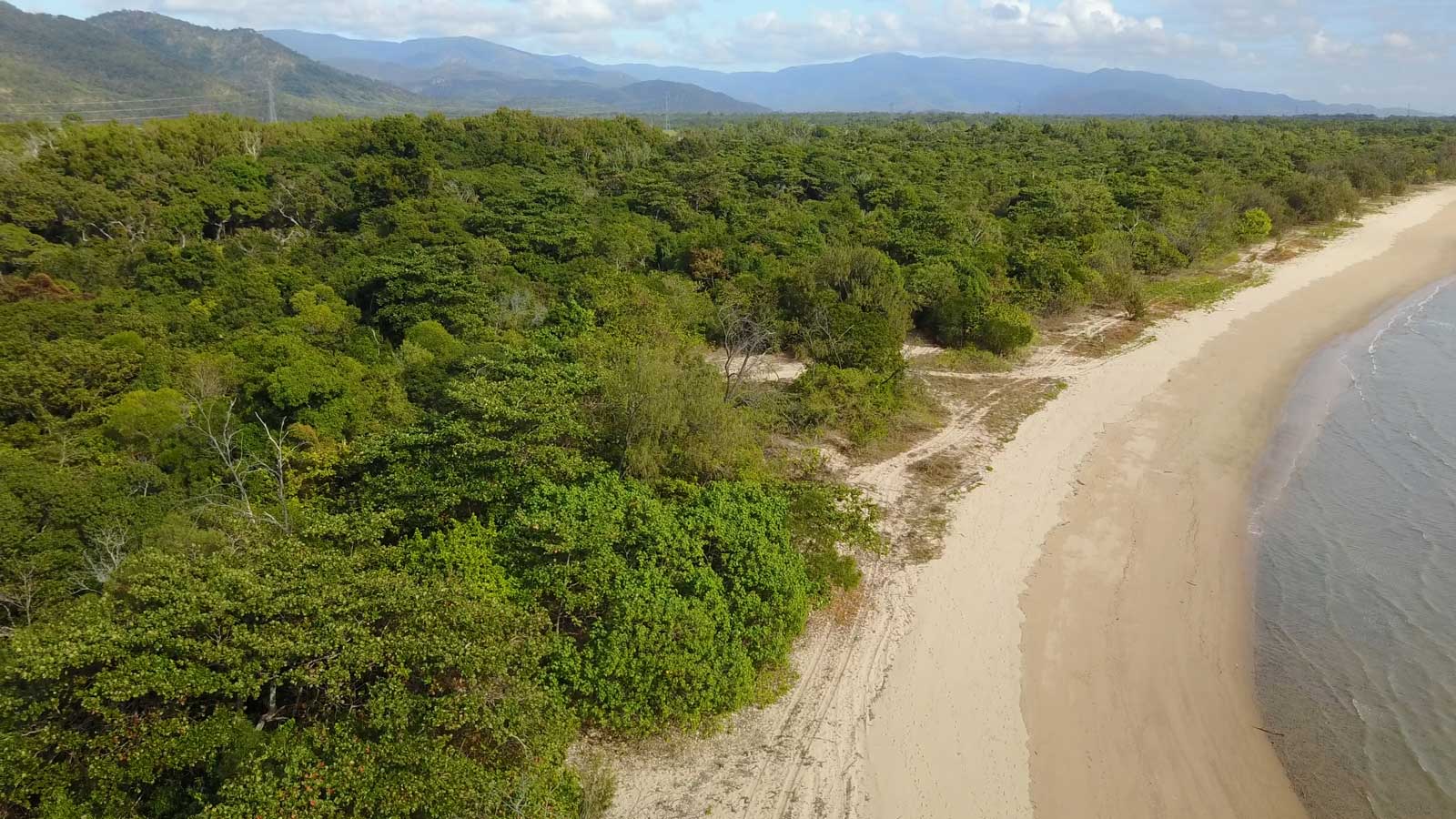
The Climate-Ready Coastlines project focuses on strengthening coastal dunes, beach scrub and freshwater wetlands in the Lower Burdekin, between Home Hill and Townsville. These ecosystems sit right on the front line of climate change. Storm surges, flooding, weeds, pests and human disturbance are putting pressure on the systems that normally protect the coastline and support wildlife.
This project will tackle those pressures directly. On-ground work will include controlling aquatic and riparian weeds, reducing feral animal impacts, restoring beach scrub and dune vegetation, repairing fish passage barriers and improving the health of wetlands and streambanks. The work will focus on priority sites such as Healy’s Lagoon, Collinson’s Lagoon, Horseshoe Lagoon, Merryplain Creek and several coastal dune systems including Alva Beach and Wunjunga.
By restoring vegetation, improving wetland condition and reconnecting waterways, the project will help coastal ecosystems function more naturally and recover more quickly after extreme weather events. The work also protects important habitats that link the Lower Burdekin wetlands to Bowling Green Bay and the Great Barrier Reef, supporting fish nurseries, migratory birds and other wildlife that depend on healthy coastal systems.
Secondary themes
Wetlands
Restoration and management of freshwater wetlands connected to the Lower Burdekin and Bowling Green Bay systems.
Coastal and marine ecosystems
Protection and restoration of coastal dune systems, beach scrub and coastal vegetation that support biodiversity and shoreline stability.
Waterways
Aquatic connectivity and fish passage through removal of barriers and restoration works.
Biodiversity conservation
Improving habitat conditions across wetlands, coastal ecosystems and waterways to support native species and ecological function.
Threatened ecological communities
Protection and restoration of coastal semi-evergreen vine thicket (beach scrub), one of Australia’s most threatened coastal ecosystems.
Biosecurity
Control of aquatic weeds, riparian weeds and feral animals including pigs to reduce pressure on wetlands and waterways.
Indigenous engagement and leadership
Involvement of Gudjuda Rangers and Traditional Owner governance processes in planning and delivery.
Landholder engagement
Working with landholders to implement on-ground restoration and improve management of wetlands and coastal systems.
Local government partnerships
Collaboration with Burdekin Shire Council and regional partners to support catchment-scale outcomes.
Capacity building and skills development
Supporting landholders and community groups to build skills in restoration, land management and coastal ecosystem protection.
Reef water quality
Improving water quality flowing to Bowling Green Bay and the Great Barrier Reef through wetland restoration and erosion control.
Climate resilience and adaptation
Strengthening coastal ecosystems to better withstand storm surge, flooding and climate impacts.

By the numbers
60 hectares
of freshwater wetlands improved
280 hectares
of aquatic weed control across priority wetlands
10 km
of waterways reconnected for fish passage
3 fish barriers
removed or upgraded
20km
of streambanks improved
114 hectares
of riparian weed and feral animal control
58 hectares
of beach scrub (threatened ecological community) improved
174 hectares
of weed control, fencing and pest management in beach scrub sites
12 priority beach scrub sites
managed across the NQ Dry Tropics region
4.8 hectares
of coastal dune system improved
6 priority wetland systems
targeted for restoration works
This project is funded by the Queensland Government’s Natural Resource Management Expansion Program
