Feral Pig Reduction for Improved Wetland Health in the Southern Gulf Region
Regional NRM organisation: Southern Gulf NRM
Location: Catchments in the Southern Gulf NRM region
Primary themes
Water
Key partners
- James Cook University TropWATER
Overview
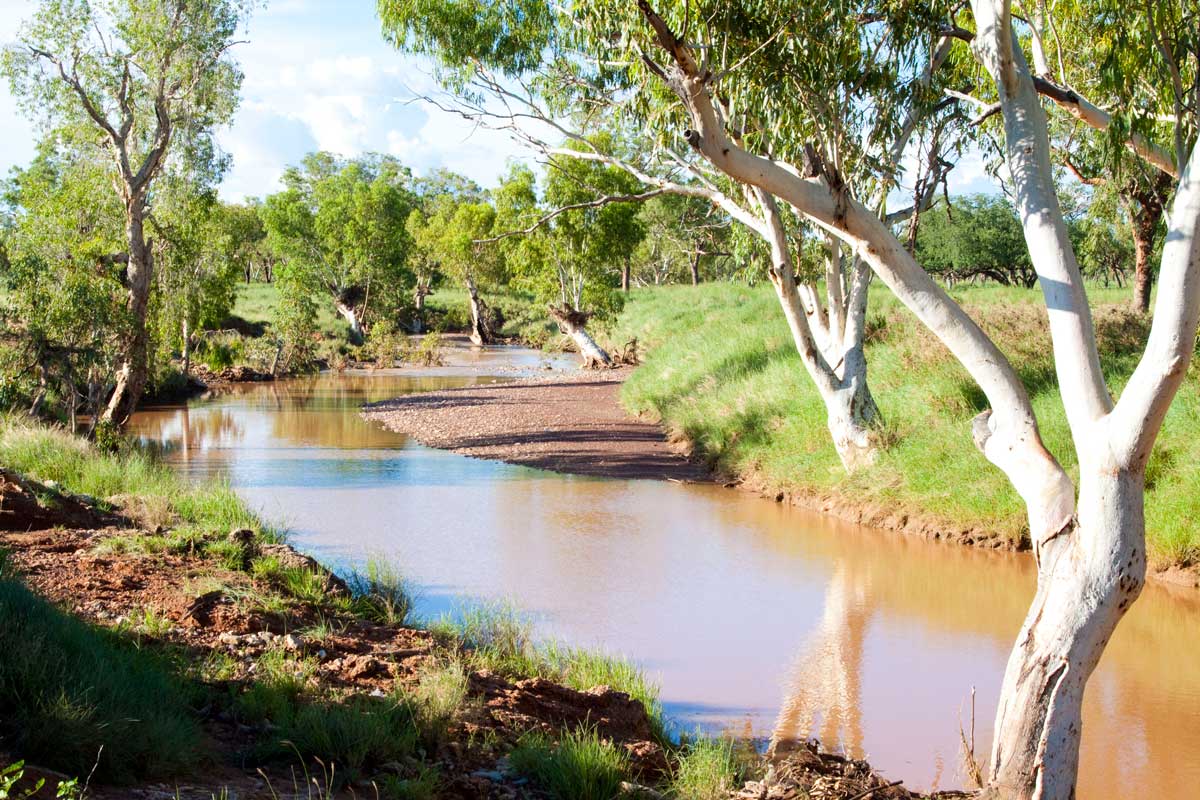
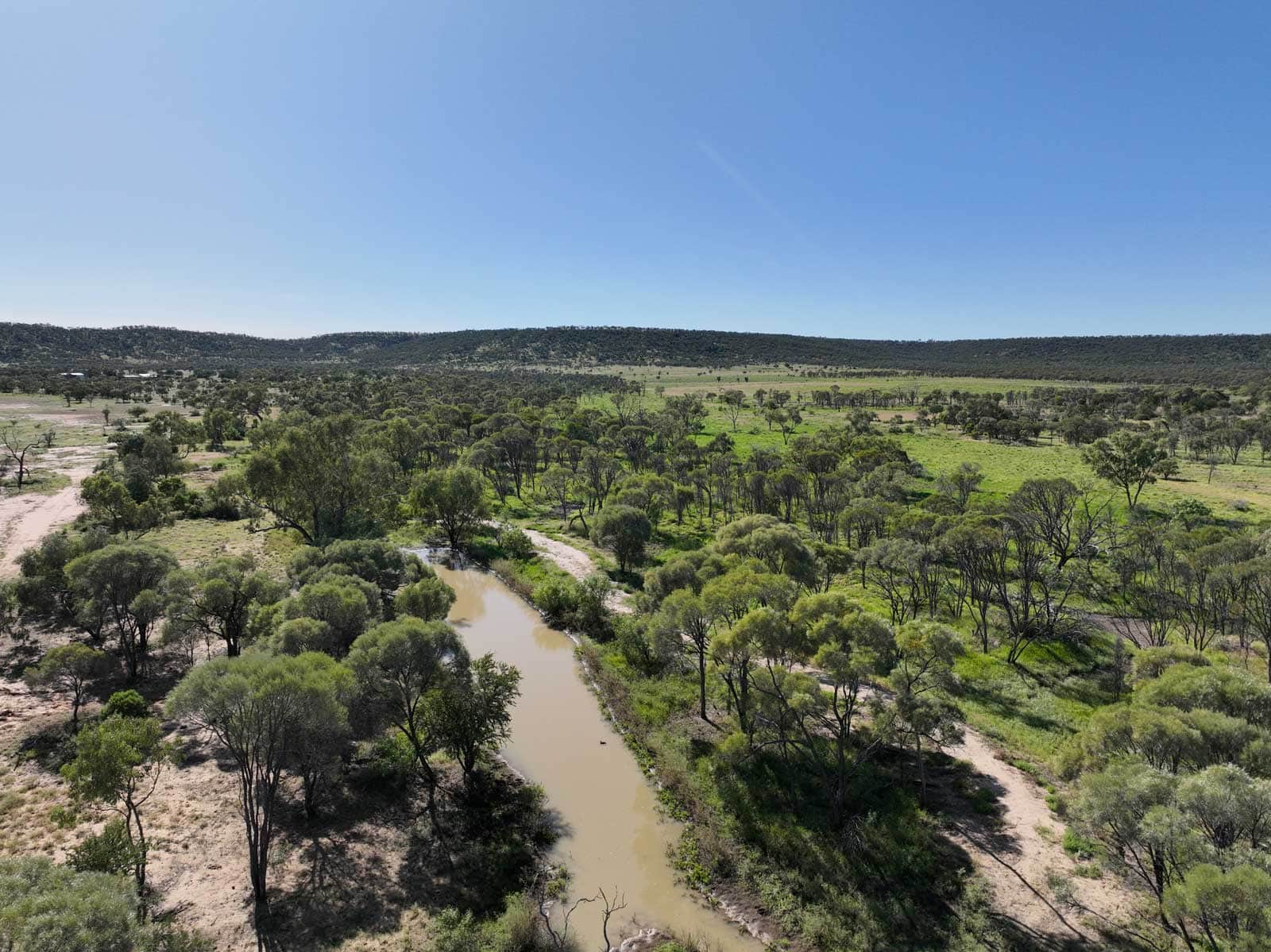
The Southern Gulf region of north-west Queensland is a semi-arid landscape where wetlands and river systems are scarce but critical for ecosystems, communities and grazing enterprises that ensure Australia’s food security. Feral pigs pose a major threat to these waterways, damaging riverbanks, polluting water and destroying habitat for wetland species.
This project will work with landholders across 10 properties to reduce feral pig populations around priority wetlands and waterways. Professional contractors will undertake humane feral pig control, supported by monitoring cameras to understand pig activity and measure reductions in numbers. By targeting feral pigs at key water sources, the project aims to directly improve wetland condition and reduce the ongoing degradation caused by feral pig activity.
Alongside on-ground pest control, the project will establish a scientific wetland monitoring program across 10 on-property sites and 10 downstream sites. Using methods such as water quality sampling, and environmental DNA, researchers will measure improvements in wetland health over time. Annual wetland health report cards will share results with landholders and the community, helping guide future investment in wetland protection across the Southern Gulf region.
Secondary themes
Biosecurity
Targeted control of feral pigs to reduce damage to wetlands, waterways and surrounding landscapes, and lower the risk of disease spread.
Wetlands
Improving the condition of wetlands in a semi-arid landscape where these systems are scarce and highly vulnerable.
Waterways
Protecting river systems and associated habitats by reducing feral pig impacts on riverbanks, water quality and ecosystem function.
Sustainable agriculture
Protecting water sources and reducing feral pig impacts on grazing enterprises across pastoral properties.
Landholder engagement
Working with landholders across multiple properties to implement feral pig control and monitoring.
Capacity building and skills development
Supporting landholders and partners to understand wetland condition and implement improved management practices.
Technology and innovation
Use of monitoring cameras, environmental DNA, remote sensing and water quality sampling to assess wetland health and track project outcomes.
Community stewardship and engagement (optional)
Sharing monitoring results through wetland report cards to inform landholders and the broader community.
By the numbers
10 properties
participating across the Southern Gulf region
10 wetland sites monitored
on participating properties
10 downstream monitoring sites
to measure broader waterway impacts
50 hectares
of wetlands directly targeted for improvement
Hundreds of hectares
downstream expected to benefit from improved water quality
This project is funded by the Queensland Government’s Natural Resource Management Expansion Program