NRM Communities
of Practice in Queensland
Theme-specific groups supporting shared learning and leadership development across the NRM sector.
Credit: NQ Dry Tropics
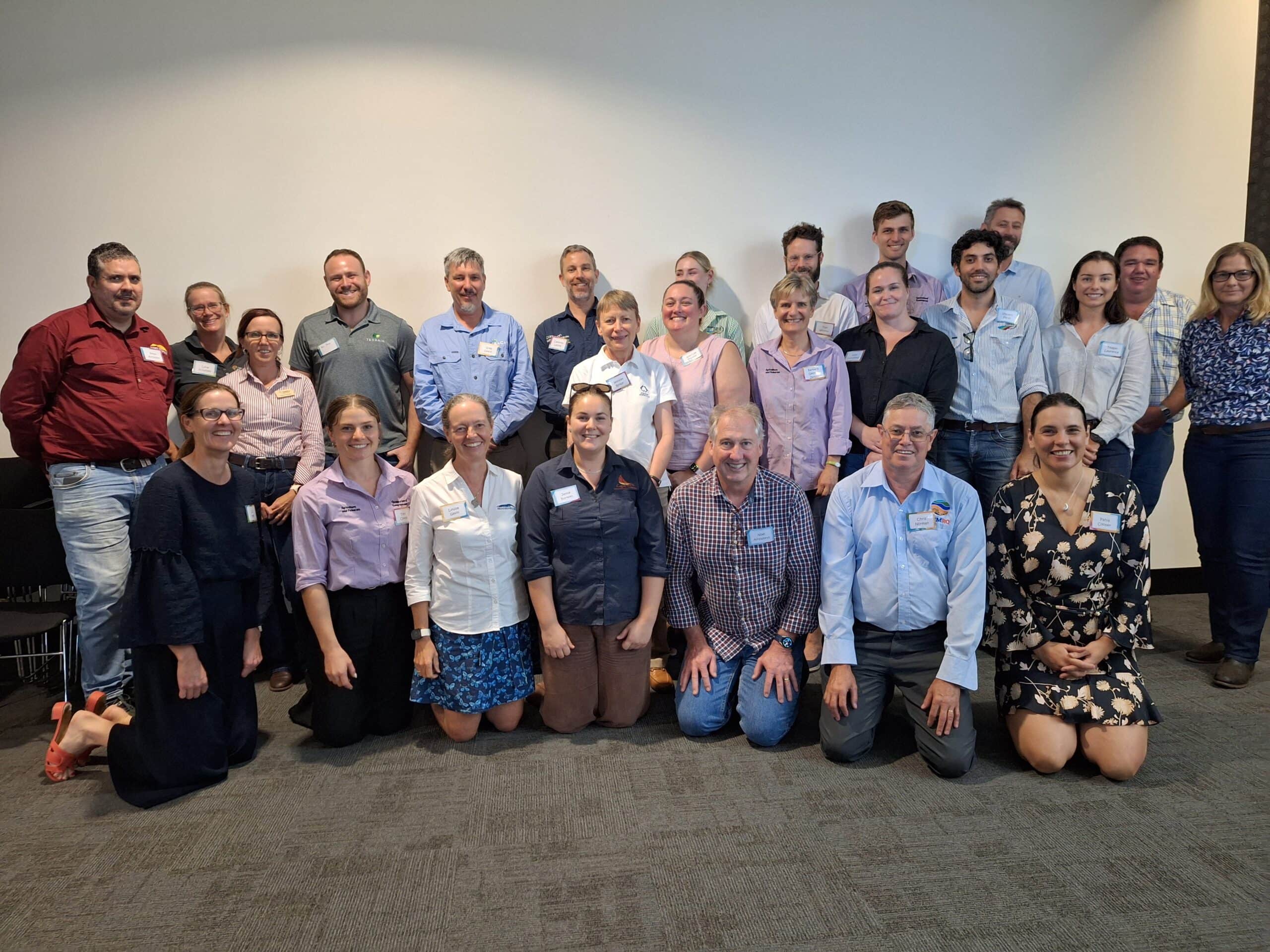
What are Communities of Practice in the NRM sector?
For nearly two decades, Queensland’s NRM sector has used Communities of Practice (CoPs) to strengthen collaboration and professional development.
The groups are built around shared areas of expertise across regional NRM organisations and focus on sharing best practices, building leadership capacity, and addressing subject-matter priorities.
NRM Regions Queensland currently provides support for six Communities of Practice and three Working Groups
GIS (Geographic Information System)
Environmental Stewardship & Natural Capital Markets
Communications
Monitoring, Evaluation, Reporting and Improvement (MERI)
Indigenous Engagement
Human Resources
Business Managers Working Group
NRM Planners Working Group
NRM Leadership Framework Working Group
Collectively, the CoPs and working groups have more than 150 members from Queensland’s regional NRM organisations. Each meets three to four times a year, principally online with an annual face-to face meeting.
The Queensland NRM CEOs Group sponsors the CoPs and receives updates as part of its regular meetings.
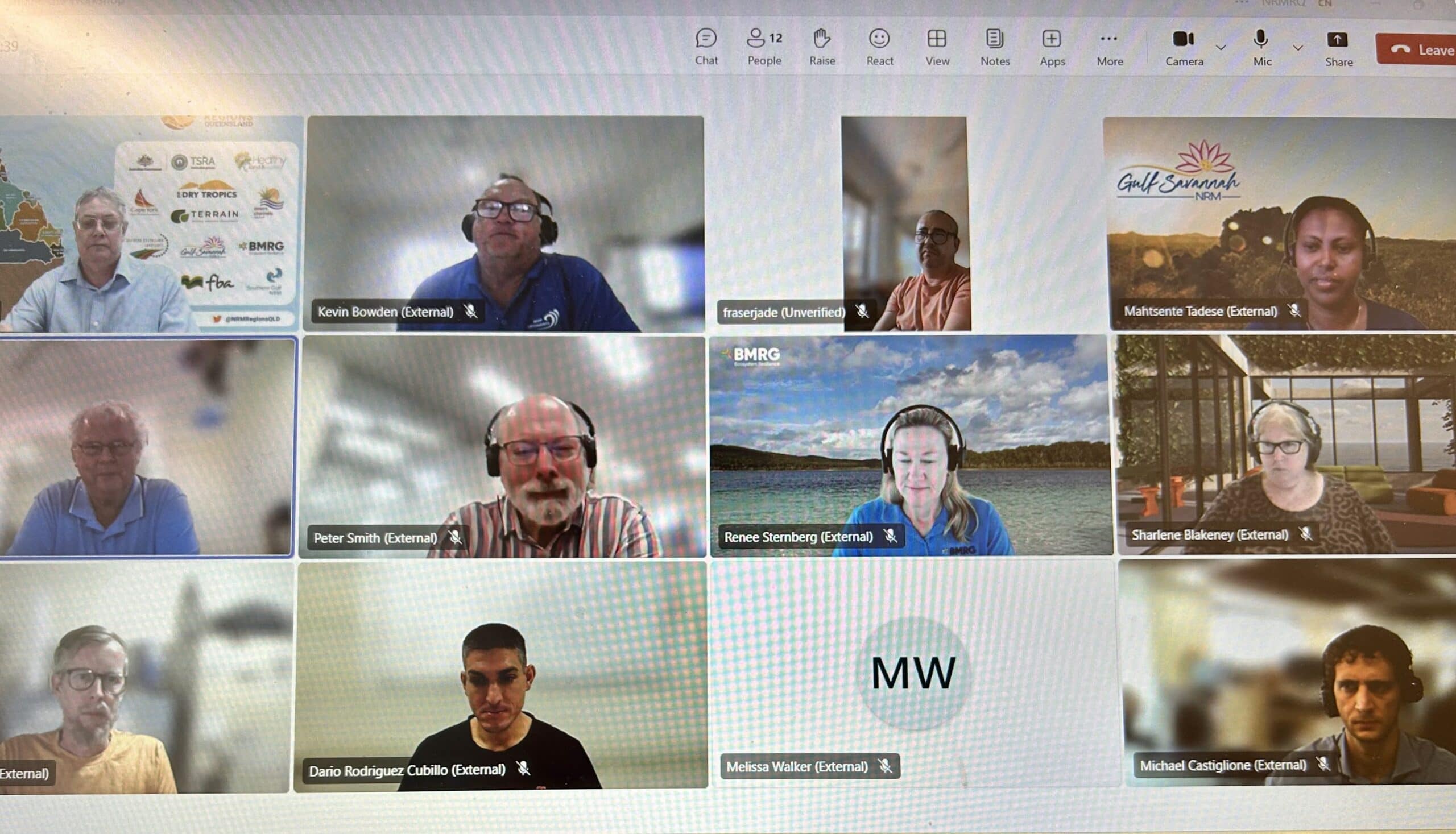
Benefits of Communities of Practice in NRM
Build capability through state-wide learning and training
Develop leadership at all levels of the NRM workforce
A consultative forum for addressing technical issues
A supportive peer network for NRM practitioners
Identify shared professional development needs
Promote funding opportunities and other initiatives
Communities of Practice Review
Outcomes from a recent NRM Regions Queensland CoP review will be released in 2026.
The process began with a diagnostic health check, which included one-on-one interviews and a survey of more than 120 CoP members. Survey feedback informed a set of recommended improvements, which were then discussed with CoP members and CEOs in workshops and used to finalise the review.
These recommended improvements aim to strengthen the CoPs through clearer roles and responsibilities, consistent meeting and reporting processes, stronger CEO oversight and improved collaboration. Key actions include standard onboarding, annual planning and reviews, coordinator support, training and development, and stronger governance arrangements.
Want to learn more about how we’re developing leadership capacity across Queensland’s NRM sector?
Explore the NRM Leadership Framework and read more about the National NRM Mentoring Program.
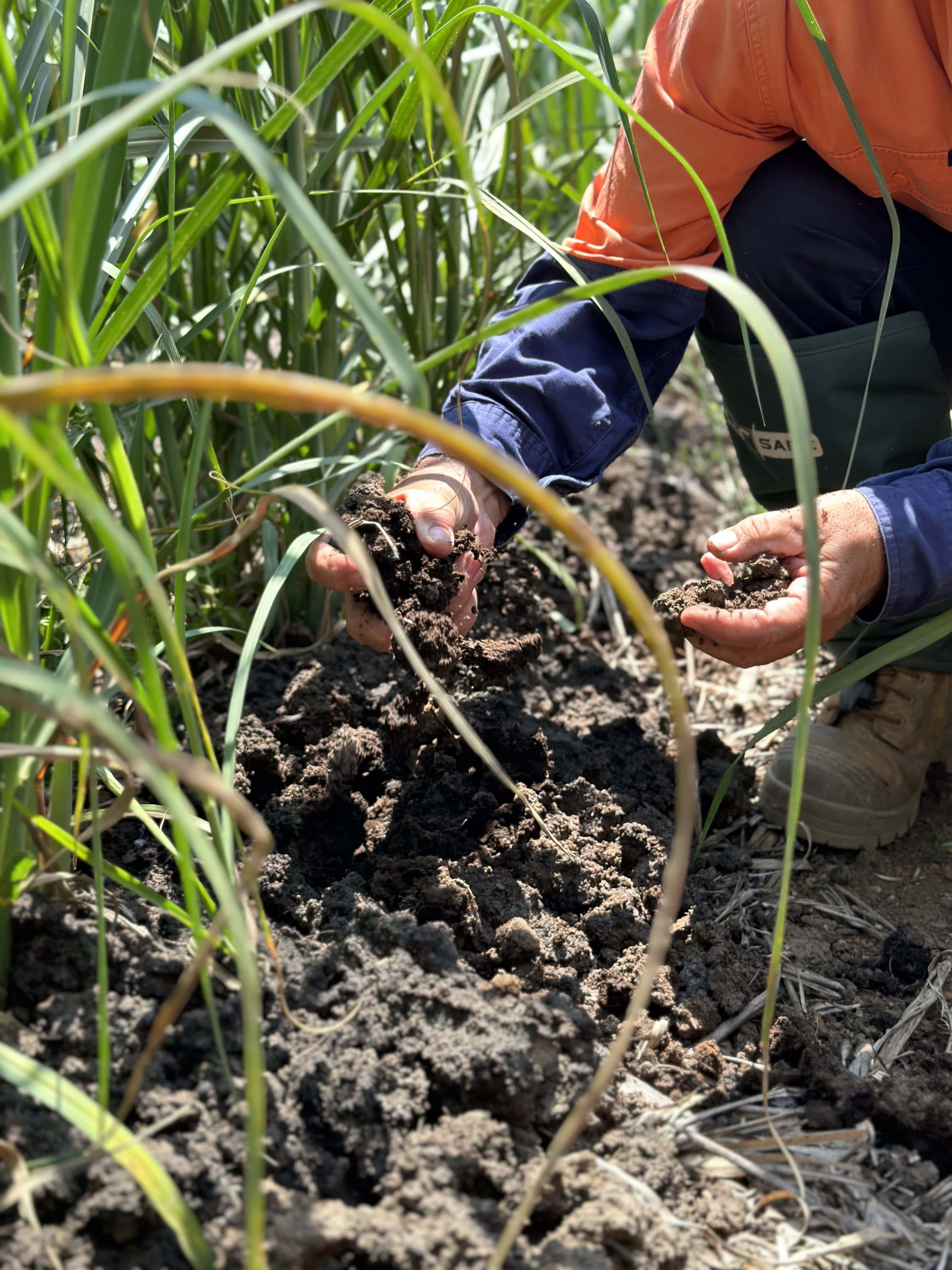
Credit: Reef Catchments
Regional NRM organisations in Queensland